The art study application season has officially entered the countdown stage! Whether you are busy finishing key projects, preparing paperwork, or entering the final application phase, busyness may become the theme of our next life. How does the collection end? How to optimize the details in the closing stage of the collection? How to complete all the preparations in the final stage efficiently without detours is the topic we will discuss today. At this stage, breakthrough, innovation and quality improvement are no longer the direction of efforts. Our main task is to strive for success in stability and optimize details as much as possible! Below, we have summarized some tips for optimizing the details of the final stage of the collection of works in three steps. We hope that students can correspond to the process, check and fill gaps, successfully complete the final work, and book the offer of DreamSchool in advance!
STEP 1: Improve the content of the portfolio according to the requirements of colleges and universities
Most of the students have completed the creation of the portfolio project by the end of this portfolio, and have also selected the schools they want to apply for. In order to improve the success rate, many students will also choose to apply to several schools or different majors in the same school at the same time.
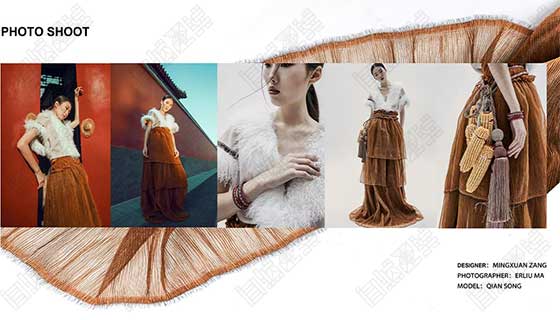
Harvest the works of Xingyu from Parsons offer in 2020
In view of this situation, students should not use one draft for all, but make specific adjustments and optimization according to the application requirements and investigation priorities of different colleges and universities. Since many colleges and universities like to "temporarily change their minds" this year and constantly update their application requirements, students should always pay attention to the dynamics of the colleges and universities and make the most targeted preparations.
Here are some college requirements that students should pay special attention to:
1. Autonomous proposition
This year, the competition pressure in the art study abroad market has increased. In order to find the most suitable students, many colleges and universities have added customized examination questions to their application requirements. Huangyi, Parsons, and RISD have also updated their requirements this year.
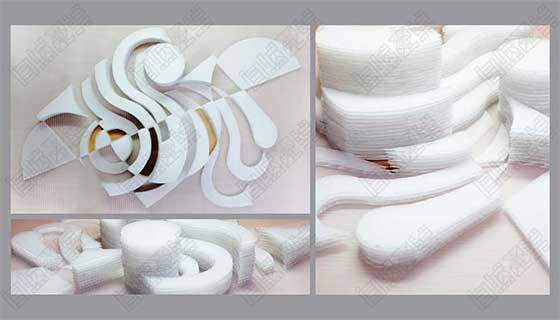
Natural light trainees Rhode Island School of Design Independent proposition works of RISD
Other colleges and universities have also kept up with the pace and made some similar adjustments. They have added forms such as observational painting, willingness statement, and work re creation. Some of these independent topics need to be submitted together with the collection of works, some after application, and even at the interview stage.
At the closing stage of the collection, students must conduct targeted research on the target colleges and universities, and avoid missing questions and incomplete materials.
2. Targeted layout
In addition to listing perfect examination questions, different colleges and universities will also have different assessment directions and curriculum priorities. This may not be directly reflected in the requirements of the portfolio, but colleges and universities will also communicate to us through curriculum settings and subject introductions.
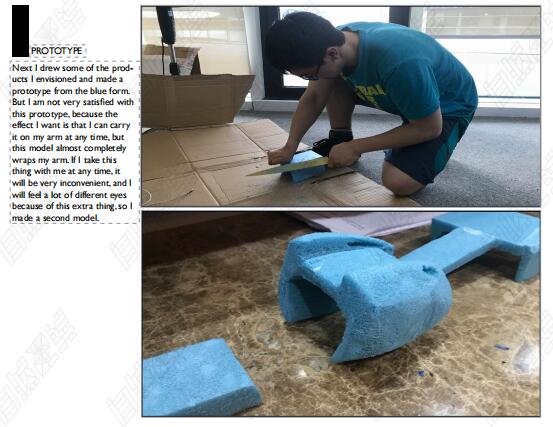
Get the work of Xie from NYU offer
We can also make some specific adjustments in the overall layout of the collection of works for different colleges. For example, ACCD's industrial design focuses on training designers to deal with the commercial market, and attaches great importance to the landing ability and appearance design of students' design products in the curriculum.
So students can consciously put the project works that have a perfect creation process and reflect our practical ability in the first place at the closing stage of the collection, and optimize the appearance design and make the most targeted preparation as time permits.
3. Format
Secondly, there will also be clear regulations on the number, size and format of pictures or video works in the requirements of colleges and universities. Students should also make special preparations when exporting works. I also suggest that students can prepare folders in the correct format in computers for different colleges and universities to improve the efficiency of subsequent application submission.
For some colleges and universities that need to mail work collections, or target colleges and universities that have come to China for interviews or admissions officer assessments, students must also prepare paper work collections in advance, and reserve time to modify print formats, select paper and layout styles.
STEP 2: Optimize visual elements to improve the beauty of works
The first step is mainly to check and fill the gaps according to the overall direction of the school. Next, we will start to optimize from the specific details of the final stage of the collection. Most of the art collection of overseas students are submitted in the form of plane, so in addition to the attraction of the project itself, the reasonable, smooth, unified and beautiful visual presentation form is also a very good link.
In this step, we can make visual optimization through typesetting skills, and increase the readability of the collection through the increase and decrease of content and the arrangement of text:
1. Front cover, catalogue and back cover
Usually, these three pages are not much that students will not pay attention to, but their significance is very important. Under the review mechanism of overseas art schools' works collection, we need to catch the eye of the admissions officer in a short time, and these three pages can take on this important task.
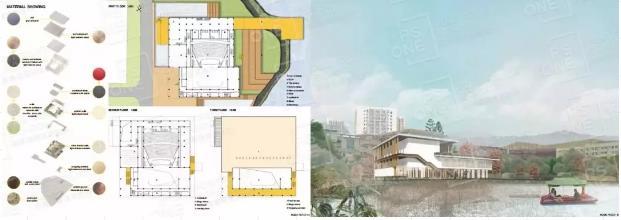
harvest University of Edinburgh Sunmeng's work by offer
They can focus on the three most important parts of our works - project theme, color matching and design elements. In terms of content, let the admissions officer know at a glance how many items will be included in this work collection, what the title of each item is, and what kind of content will be talked about. There are several pages to display.
Add some design elements and color matching in the portfolio project on the front cover and back cover to quickly establish the first impression and find the project highlights. These details will also help us show more clearly and win the favor of the admissions officer quickly and effectively.
2. Project Overview
This usually refers to the first page at the beginning of each project. We need to make clear the background of the work, the problems to be solved, the process to be solved, the final significance, etc. through a concise text introduction. The focus of this part is to be clear and highlight the advantages of the work as much as possible.
If the students in this part are not easy to grasp the key points, they can tell the teachers and students orally, so that they can help us quickly find the highlights and the most important parts of the project from the perspective of onlookers.
In the process of reporting, we can also sort out our own design process again, extract key turning points, and ensure logical rationality and link integrity.
3. Relationship between picture and text
We have also stressed many times that the most important principle in the composition of the collection is unity and beauty, so in terms of the use ratio of pictures and words, we can use pictures to clearly explain the use of pictures, where words are needed, and try to use some simple and clear common forms of font selection to ensure the fluency of reading.
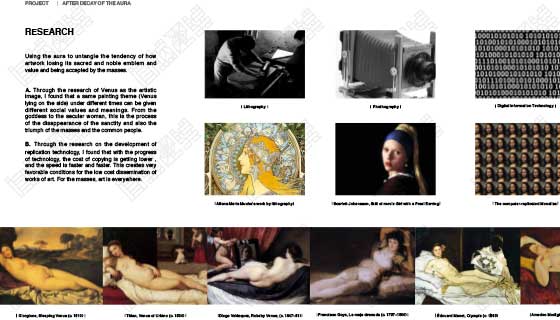
Harvest Huang Yioffer's works by Huining
Secondly, we also need to unify the spacing between pictures, the spacing between the title or text and pictures or other elements, as well as the content of each page. On the premise of ensuring the whole, we will add some changes and interactions between pictures and words to improve the visual richness.
STEP 3: Check Check Recheck
The third step is the key step before handing in the paper - the final inspection. We can learn from countless exam experiences in the past that we can really get a lot of points for us if we don't check carefully at the critical time. In the face of the rising competitive pressure this year, we need to strive for every point!
According to years of experience in natural light, in the final stage of the collection of works, the later work of the teachers of educational administration is to help students "pick out mistakes" in addition to expediting progress. Many students' work collections have many small problems such as spelling of words, grammatical errors, typographical problems, picture clarity, image text alignment, and so on. The root cause is that everyone neglected to check this step.
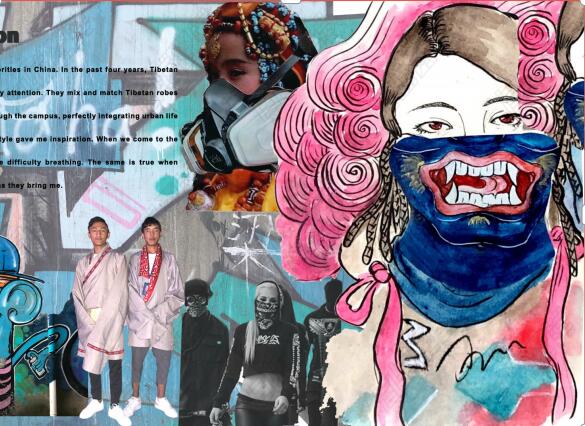
Harvest the works of Xuelun from Lunshi offer
Although these small mistakes will not affect the overall reading, in the psychological level, when the admissions officer sees several mistakes caused by carelessness, he will also start to question the students' intentions and sincerity to the school, and will greatly discount the impression score and the quality of the overall collection of works.
How does the collection end? The closer we get to DDL, we can also understand the ups and downs of students' mentality under great pressure, but the more critical this time is, the more we need to correct our attitude. At the closing stage of the collection, we should start with details, grasp the best opportunity to optimize the project, strive to improve the integrity, professionalism and beauty of the collection again, and win the favor of colleges and universities at one fell swoop at the application stage!
This article belongs to the original article of Natural Light International Art Education Team. Without permission, it cannot be reproduced commercially in any form. If it is found, it must be investigated for legal responsibility.