How to apply creative graphics in graphic design works? Many students may have carried out such an exercise when they first came into contact with design - graphic training, such as infinite thinking divergence for a specific thing, so as to create 20 or 30 different creative graphics; Or some students have had such a training that they can spread their ideas on a specific theme for an unlimited number of times, and show as many images as possible based on the theme; These two exercises are generally common in the basic design learning stage, and the creative thinking or design thinking training stage. Because of this purpose, many students may naturally think that this exercise is a simple small training of divergent creative thinking, but in fact, this exercise can be the beginning of graphic design. So today we will combine the "graphic design" that is most easily ignored in graphic design to see how to use simple and basic graphics to create simple and influential graphic design!
How to apply creative graphics in graphic design works?
1. What are the differences between graphic design and what we call graphic design?
As the name implies, graph refers to the shape of objects that can be displayed on the plane. It extends from concrete things. In contemporary use, it also gradually extends to geometry, charts, symbols, symbols and other abstract forms. It is the most basic way for us to understand and express the world.
The definition of graphics in graphic design is relatively broader, ranging from the "points", "lines" and "surfaces" that we touch visually, or the concrete forms such as "characters", "photos" and "illustrations" that have been created for the second time, which can be called graphics and can be used as elements of our design.
Graphics also become the visual focus in graphic design because of its irreplaceable visual characteristics. They complement each other with color and text visual elements and become the most important three elements in graphic works. Because of the diversity of graphic expression methods, the role of transmitting information is more intuitive and faster than that of text, which is the design focus of graphic designers to display their creativity and style.
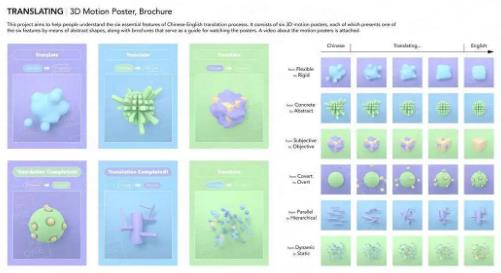
Natural light student Luyao's collection of graphic design works
From the earliest graphic elements in human history cave murals and hieroglyphs, the functionality of graphics is inseparable from the visual display of messages.
Up to now, with the emergence of digital tools, web page graphics, raster images, vector graphics, etc. in graphic design language, the development of science and technology has provided designers with a new design means of graphics, giving designers a broader space for imagination and expansion, and applying it to different branches of graphic design.
As a designer, it is also necessary to select, combine, transform and regenerate these graphic elements to gather them into symbols that convey ideas and arouse audience resonance, and grasp the function of graphics to convey visual information, so as to make their design works more vigorous.
2. What design methodology should be followed in graphic design?
Graphic design is also called graphic design. In most cases, graphic design needs to reasonably arrange design elements and convey effective information around the limited plane space. Therefore, it is the designer's responsibility to arrange the space reasonably to maximize its effectiveness.
In the presentation of creativity, a single, fixed visual image often can not arouse people's thinking, so we need to create fresh and interesting graphic elements.
Generally speaking, we will divide graphic elements into single and multiple cases to discuss design methods. For a single graphic element, we should learn to break the inherent shape of things to produce new visual effects and new meanings.
Single graphic design requires high recognition, conciseness and clarity to facilitate memory and use, so we should try our best to convey information with symbolic language, shapes and patterns to express the visual language of certain specific meanings and things, so both concrete and abstract graphics tend to be symbolic.
And because of the richness of the themes of graphic works, in most cases, graphic design needs to harmoniously organize a variety of elements. In view of this situation, we can use positive and negative forms, symbiosis, gradual change and other techniques to break through the limitations of the original physical meaning and produce more profound meaning.
To sum up, no matter what form, we need to follow the following three design principles:
1. Communicate information accurately
For graphic design, the visual expression of graphic elements needs to be around the theme to serve as the task of transmitting information. We need to find a suitable angle to express our views on things with our graphic creativity, so as to achieve the purpose of information transmission, so that the audience can accept the information transmitted by graphics while watching the graphics.
2. Balance and unification of elements
Our use and extraction of elements is not based on novelty and uniqueness as the only standard, but on the premise of grasping identifiability and visual beauty, we should make the figure harmonious and unified on the elements of point, line, plane, color, meaning, etc., learn to integrate, classify, concentrate, and highlight the elements, so as to build a meaningful picture as the ultimate goal.
3. Create interesting and personalized visual experience
We all know that the development of graphic design is inseparable from the commercial market. Although the creation of the students' work collection faces the assessment of colleges and universities, in general, graphic design is a medium to transmit information to the audience through vision, so the most basic requirements include attracting the attention of the audience. Personalized and interesting graphic design can achieve good results.
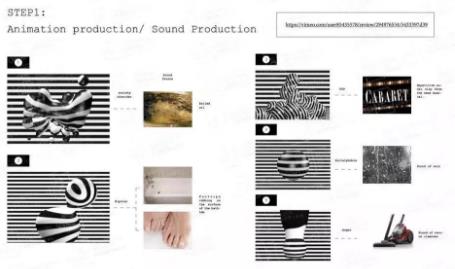
Natural light student Ziyi's collection of graphic design works
3. How can graphic design be applied in graphic design works?
First of all, we should make it clear that graphic design is not only the exclusive design means of graphic design, but also any subject works requiring visual expression, including inspiration diffusion, presentation of renderings, extraction of visual elements Collection layout The design and application of graphics are very necessary creative forms.
As a brainstorming way of thinking, graphic design training actually teaches us to abandon conventional observation methods and traditional concepts, to think in a divergent way according to the relevance of the theme and connotation, to connect completely different things, to expand imagination, and to fuse together to produce new images.
This is what we often call interdisciplinary thinking. We can find the differences and correlations between seemingly unrelated things from a new perspective, and think deeply from multiple perspectives according to the theme and creative needs, so as to obtain new first-hand inspiration materials.
Secondly, as for the graphic elements we can learn from, they are not just visible and touchable objects, but even more abstract things, such as a track, a memory, and a taste. They collect materials from more sensory levels, and then transform them into "graphics" that infect the work itself.
How to apply creative graphics in graphic design works? After we understand the characteristics of graphic design, clarify the design purpose, understand the design principles, and master the thinking mode of graphic design, the most important thing is to integrate personal creativity in form and content, so as to overcome the tendency of similarity and mediocrity in graphic design.
More recommendations:
Collection art training, collection "academic" really bad?
Stanford University Film
This article belongs to the original article of Natural Light International Art Education Team. Without permission, it cannot be reproduced commercially in any form. If it is found, it must be investigated for legal responsibility.