The collection of art works for studying abroad is a necessary material for your application, but the existence of the collection of art works for studying abroad does not mean that you can be admitted. Application for art study abroad In the process, you have a lot to prepare for in addition to your portfolio and language test. If you don't know how to make a good art collection for overseas students, Natural Light Art will teach you 15 techniques for making excellent art collections. I hope it will be helpful to you.
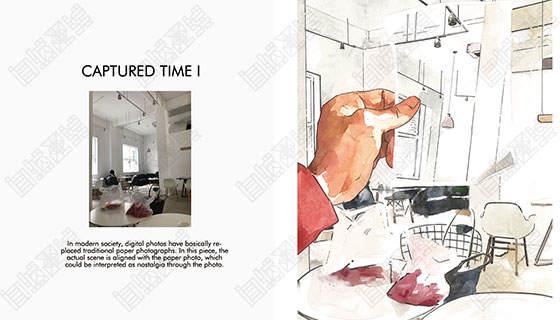
1. Focus on the depth and breadth of works
How many works should be included in the collection of overseas art works? It is difficult to give an accurate answer to this question, but you should display at least 20 pages of content (A3 or A4) in the physical works collection. If it is an online collection, it is better to have more than 30 thumbnails on the home page. The theme/topic of the work should be diversified, and a single style should be avoided (unless you have absolute confidence in your accomplishments). Give full consideration to each picture, so that your works, views and ideas can be fully reflected, making your works appear more in-depth.
2. Select appropriate works
Try to display works and pictures related to the major you are applying for. If you apply for undergraduate art students in the architecture department, the content of the art works collection should focus on landscape, buildings and local sketches of buildings. You should make the content as relevant as possible and show a unique perspective of observation and penetrate your understanding of architecture.
3. Provide sufficient and sufficient design background
Every year, there are some students who are admitted because of their unique style and superb hand drawing skills, but usually the reason given by the examiner is "the clarity with which he interprets a creative brief"! Therefore, if you only provide the design/creation results of your work without fully describing and expressing the design background, design process, etc., it is usually impossible to be accepted. You need to discuss and show your ideas, creativity, design/creation process and explain why you do so through annotations, text summaries, manuscripts in the design/creation process, relevant research and other information and methods. You need to use appropriate space to describe the design requirements of the work, and show how much you meet the requirements of the subject through the content shown.
4. Display independent research related to works
Your collection of overseas art works is not a collection of art or design works. Other people's suggestions and self-help research and case studies related to the portfolio are conducive to demonstrating and proving your professional ability. Let your work collection trainers, classmates or seniors in the professional field comment on your work, and improve and display your independent research to better show yourself.
5. Seek comments from others or experts
Ask your classmates, tutors or consulting institutions like MornEdu for their opinions on your work. Senior designers/artists, people with rich experience in studying abroad and specialized agencies know how to better match your resume with your portfolio, and guide you to develop your strengths and avoid weaknesses.
Consider what kind of you your art portfolio will show or interpret. Do you seem imprudent?
6. Prove your ability and experience in many aspects
Do you only make achievements in your own professional field? unable. Generally speaking, as a graphic designer, you are not only proficient in visual presentation and typesetting, but also know how to communicate with people and complete a project on schedule. You even have unique views on other majors. These are important professional abilities. You need to make your collection of works clearly and clearly show these qualities and talents of you.
7. Self promotion
Imagine that the examiners of foreign art colleges are purchasing raw materials once a year. To win in the fierce competition, you need to pass on a "reason for choosing you" to the examiners. Identify your own advantages, and make these advantages fully expressed and reflected in your works.
8. Clear and readable directory
What will you do when you find some interesting content in magazines or books? You will fold a corner of the page or circle dots with a pen. Those examiners who look at the portfolio will do the same thing, so please pay attention to the small details that can make the examiners easily find the specific content of a certain part, such as a clear table of contents, adding pages to each page, topics, etc.
9. Consider your presentation purpose
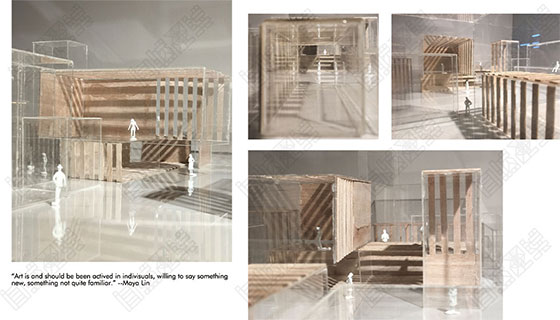
Before adding drawings and information to the production of the work collection, consider why you want to include these information, and what you want to show and represent. Otherwise, it will be difficult for readers to understand your intentions, ideas and highlights in the process of reading. The reason is simple. If you don't know what you are showing, how can others know?
10. Select necessary works
Avoid displaying too many works in the art study abroad. More importantly, you should make the works displayed as relevant and serialized as possible. Examiners and readers do not need to know everything. Relatively, carefully select the content of your portfolio to show your highlights.
In the process of presentation, select the information that you are really good at and interested in, and enlarge and present the parts and details that you want to try or deeply study in future study or work. Show the works you want to try more. These will fully reflect your abilities and skills.
11. Demonstrate ability with works
whatever Art study abroad Collections of works can show many characteristics of the author in seconds. A well improved and optimized collection of overseas works of art can amplify the strengths and capabilities of the author one by one. On the contrary, many weaknesses will be exposed. In other words, you need to grasp the reader's thoughts and let them focus only on what you want to show.
Design your art study portfolio as you do for design/creation projects, and use your works to prove your expertise and ability, so that the examiner will have a clear understanding of you after reading, rather than a comprehensive and in-depth understanding of your works.
12. Label details
Label your pictures and details, and mark the information and personal ability points you want them to pay attention to. This will make it easier for the examiners and readers to understand your intentions.
13. How to do it instead of doing what?
Compared with the final result of design/creation, the examiner pays more attention to the information content that can explain how you design/create. Try to make all the contents that can explain the process and details more intuitive and clear, and use short words to state why this is done and how it will meet the design requirements.
14. Don't mention age
It is excellent to start the collection with a short personal statement. However, influenced by which template, domestic students seem to have a particular preference for such self introduction statements of primary school students as I'm a xx year old student from XXX. In the eyes of the examiner, this is no different from shouting "I'm young and experienced!!!!" in the street. Please avoid the practice of children.
15. Online Art Collection for Studying Abroad
Online works collection, that is, to present your works and abilities in the form of personal website (preferably not Renren Xiaozhan, a light blog). It is not a necessary material, but it is very harmful to the admissions officers of most schools.
The online portfolio can break many restrictions of colleges and universities on the art overseas portfolio, such as format, size, number of works, etc. Not only can you have a more comprehensive display and performance, but also the examiner will usually make a visual stop far longer than the physical collection of works on the website. In addition, the website can be reused for a long time, so if you have the time and ability, you can consider making a collection of online art study abroad works.
Natural light art education article recommendation:
Attention to children's shoes applying for art study next year!
Applied for study abroad in British industrial design, and the collection of works won 5 offers
Can I use the collection of art works for studying abroad to apply for colleges and universities
This article belongs to the original article of Natural Light International Art Education Team. Without permission, it cannot be reproduced commercially in any form. If it is found, it must be investigated for legal responsibility.