In today's era of digital art prosperity, animation has become a highly expressive and infectious art form. It can not only bring visual enjoyment to the audience, but also touch people's hearts through exquisite emotional expression and unique creativity. For animators, mastering advanced skills is the only way to reach the peak of their profession and realize their personal artistic pursuit. Guangxianjun will deeply explore the learning and application of advanced animation skills, provide systematic guidance and suggestions for students who are eager to make breakthroughs and achievements in the animation field, enter the wonderful world of animation, and enjoy the endless charm.
In this journey of exploration, we will analyze the core elements of animation creation, from the improvement of basic skills to the mastery of advanced skills, from the precise expression of role emotions to the clever use of dynamic composition. We will dig deeply into the essence of every detail and explore the infinite possibilities of animation art.
Basic Skills and Animation Principles
The learning journey of animators begins with the mastery of basic skills, such as painting, drawing and design. These skills provide a solid foundation for animation creation. However, to advance to advanced techniques, animators need to deepen their understanding of animation principles. This includes studying the 12 principles of animation, such as extrusion and stretching, preparatory action, following and overlapping action, and mastering the motion laws of different objects, such as elastic motion, inertial motion, etc. By deeply understanding these principles, animators can create more vivid and real animation effects.

painting and drawing
Students need to be proficient in painting and sketching skills, including the shape, proportion and perspective of people and objects. Through constant practice and practice, animators can more accurately grasp the shape and dynamics, and lay a solid foundation for subsequent animation creation.
Color and shadow processing
Color and light and shadow are important visual elements in animation. Students need to learn how to use color and light to create atmosphere, express emotions and shape roles. At the same time, it is also necessary to master the laws of color matching and light and shadow changes to achieve a more realistic visual effect.
Animation Principle and Motion Law
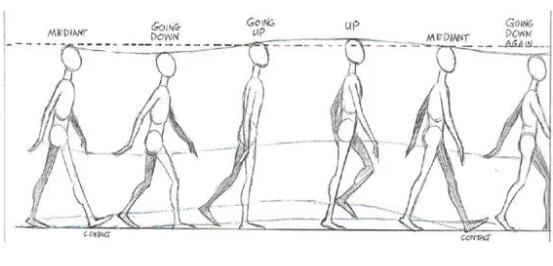
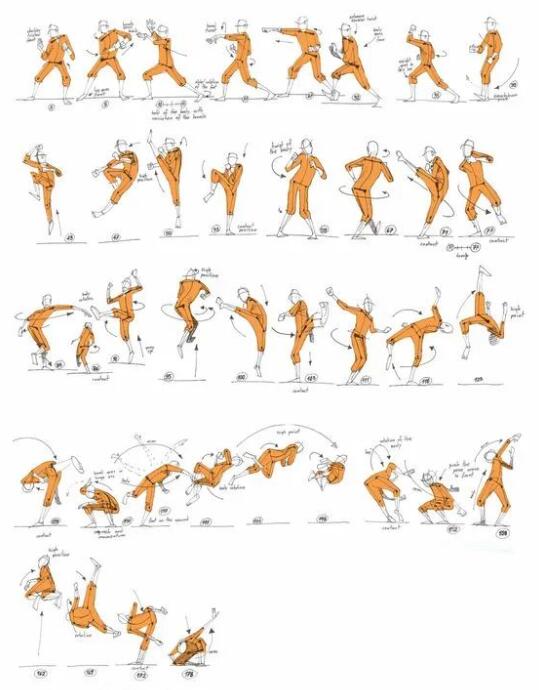
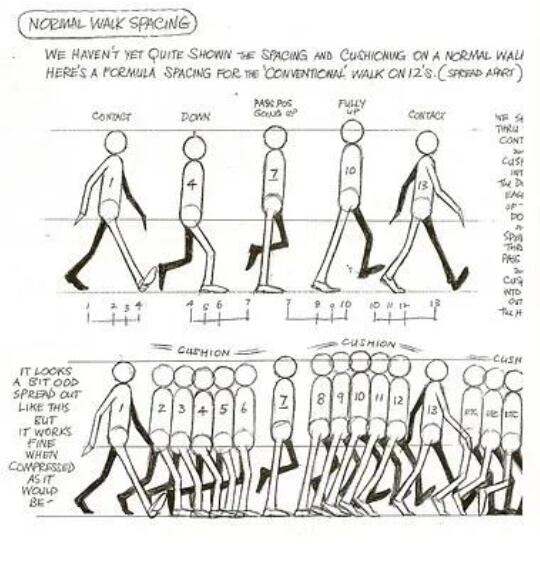
Animation Design Study Abroad Students need to have a deep understanding of the principles and laws of motion of animation, such as extrusion and stretching, preparatory action, following and overlapping action, etc. These principles can help animators create more vivid and natural animation effects. In addition, we also need to learn the motion characteristics of different objects, such as elasticity, inertia, etc., in order to accurately represent the dynamics of objects in animation.
Role performance and emotional communication
In animation, the character is the soul of the story. Students need to learn how to convey their characters' emotions and personalities through posture, facial expressions and body language. This requires students to have keen observation and expressiveness, be able to accurately capture the emotional changes of the characters, and present them to the audience through exquisite animation performance. In order to achieve this goal, animators can improve their skills by observing people in real life, researching excellent animation works and participating in role playing courses.
Role Analysis and Modeling
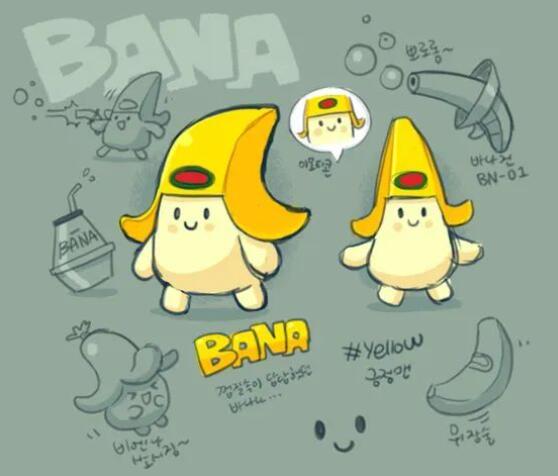
Before animation creation, students need to conduct in-depth analysis and modeling of characters. This includes determining the character, background and emotion of the character, so as to accurately convey the character's emotion and personality in the subsequent animation performance.
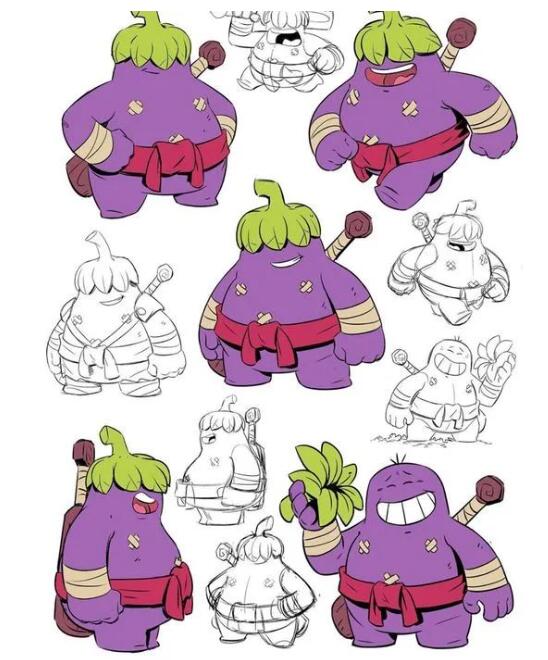
Facial expressions and body language
Facial expression and body language are important means to convey the emotion of characters in animation. Students need to learn how to convey the role's emotional changes through subtle facial expressions and body language, so that the audience can have a deeper understanding of the role's inner world.

Emotional curve and rhythm grasp
In animation, the change of emotion and the mastery of rhythm are crucial to the advancement of the story. Students need to learn how to adjust the role's emotional curve and rhythm according to the needs of the story, so as to achieve a more compact and attractive story telling.
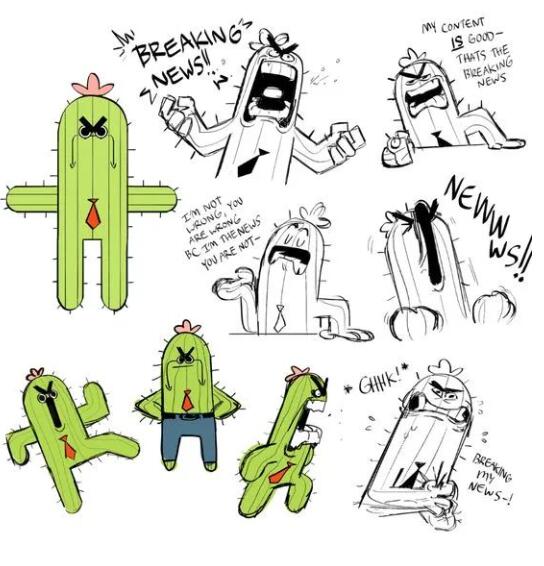
Dynamic composition and visual guidance
Dynamic composition is an indispensable element in animation, which can guide the audience's line of sight and enhance the sense of hierarchy and dynamics of the screen. Students need to learn how to use visual elements such as lines, colors and shapes to build dynamic composition, and how to guide the audience's attention through lens movement and editing techniques. The application of these techniques can make animation more attractive and immerse the audience.
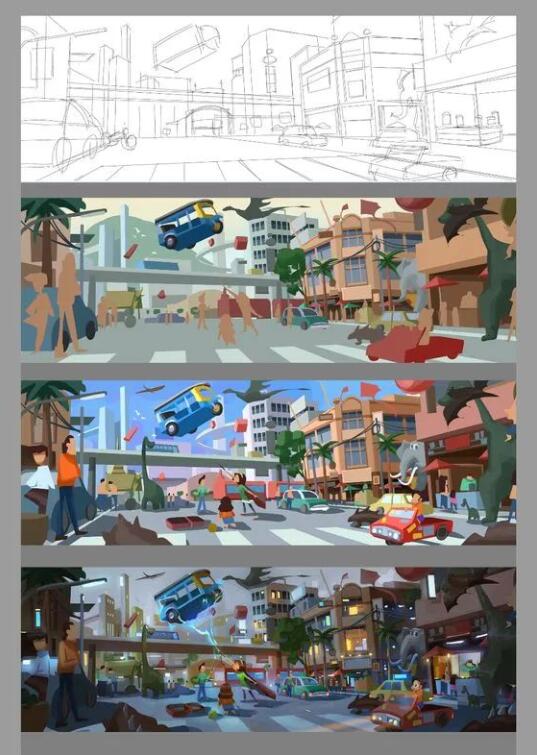
Dynamic composition design
Dynamic composition is one of the important visual elements in animation. Students need to learn how to use visual elements such as lines, colors and shapes to build dynamic composition, so as to enhance the sense of hierarchy and dynamics of the picture.
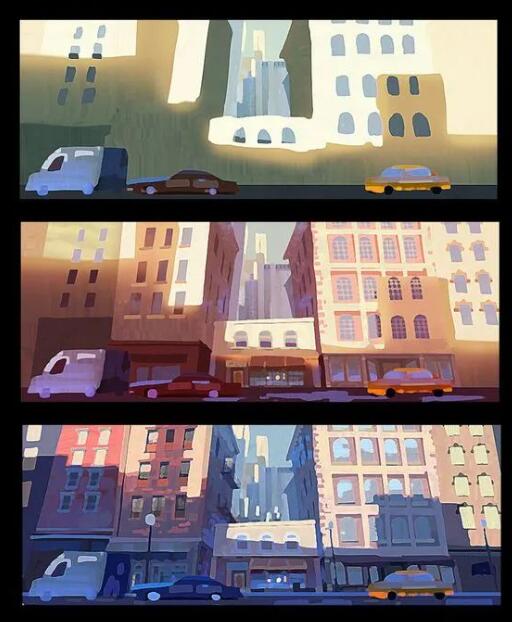
Lens Movement and Editing Techniques
Shot motion and editing techniques have an important impact on the visual effect of animation. Students need to learn how to use different camera movements and editing techniques to guide the audience's attention and create a tense, cheerful or lyrical atmosphere.
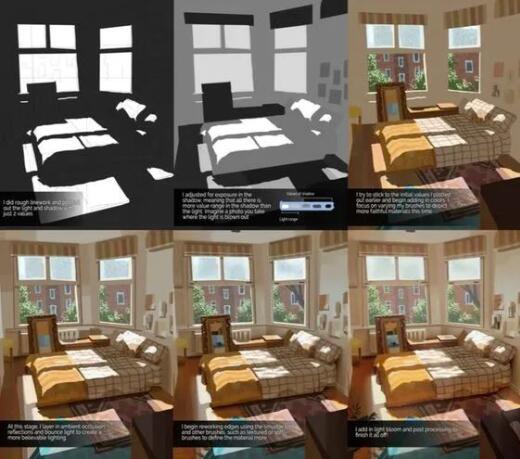
Visual guidance and rhythm grasp
In animation, visual guidance and sense of rhythm can enable the audience to better understand and feel the story. Students need to learn how to guide the audience's vision and emotional input through the grasp of visual elements and rhythm, so that the audience can be more deeply immersed in the animation world.
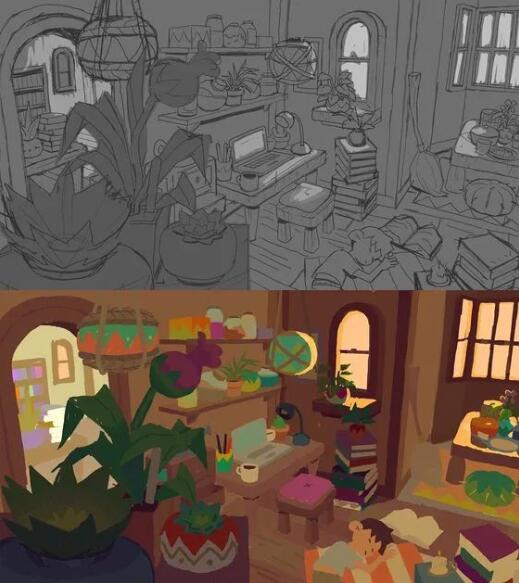
Special effect production and post-processing
Special effects production and post processing are indispensable links in animation production. By adding special effects and post-processing, it can enhance the visual effect of the screen and enhance the viewing experience of the works. This requires students to master various special effect production techniques and post-processing software, such as particle system, dynamic tracking matching movement, etc. At the same time, students also need to have a keen sense of color, light, shadow, sound and other elements, so as to make accurate adjustment and optimization in post production.
Special effect production technology
Special effects production is one of the indispensable elements in animation. Students need to master various special effect production technologies, such as particle system, dynamic tracking matching movement, etc., to achieve more realistic special effects. At the same time, we also need to learn how to use special effects to enhance the visual effect and impact of the screen.
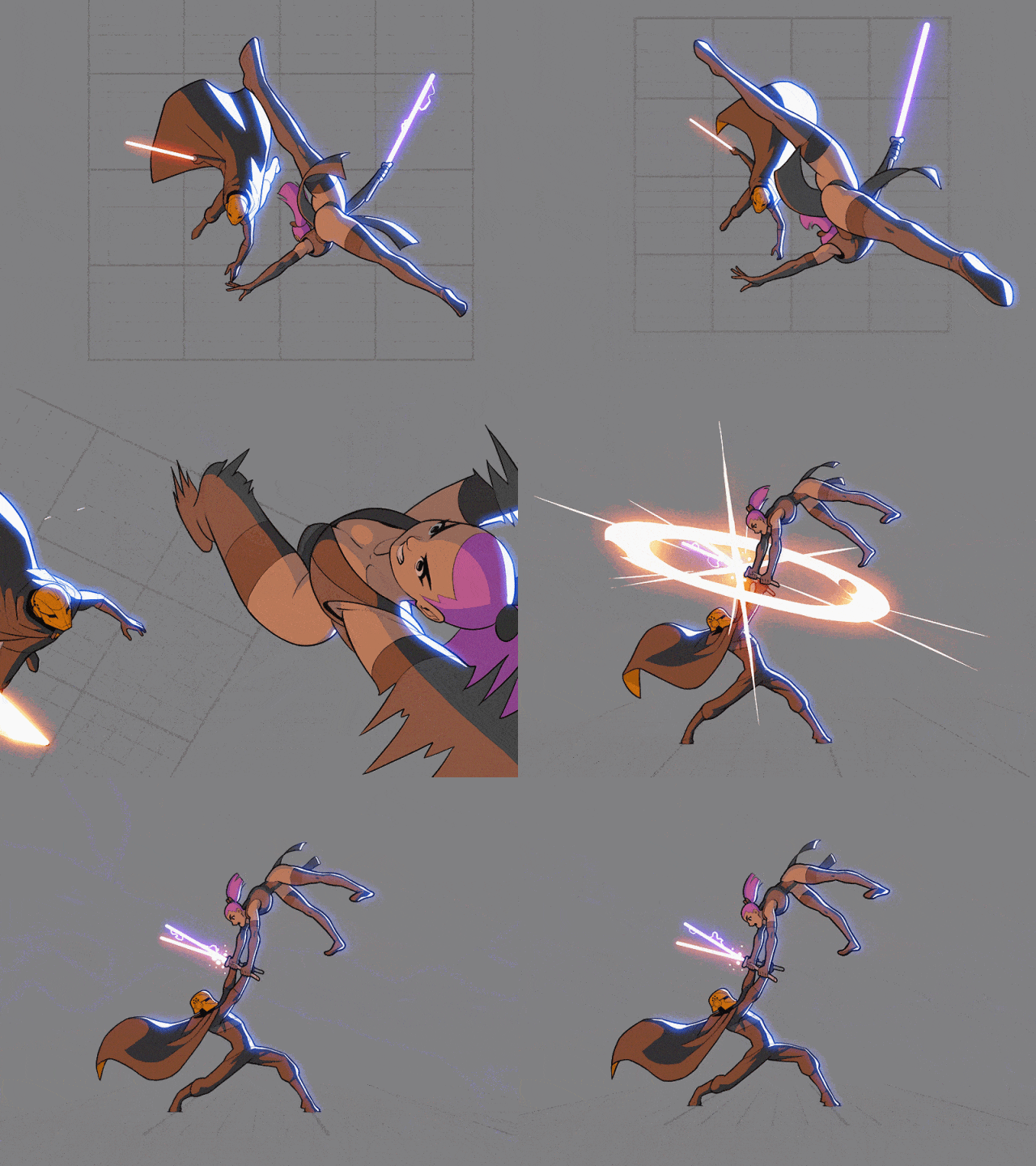
Post processing software and skills
Post processing is one of the last steps in animation production. Students need to master various post-processing software and skills, such as color adjustment, sound effect processing, etc., to improve the viewing experience and quality of works. Through fine post-processing, animators can make the works more perfect and attractive.
Collaboration and communication with the team
In the process of animation production, teamwork and communication are crucial. Students need to work closely with other team members to discuss and solve problems together. Through effective communication and collaboration, we can better understand the intentions of directors and screenwriters, and turn creativity into wonderful animation works.
Today's summary
It is not difficult to find that the mastery of advanced animation skills is a systematic project, which requires students to comprehensively improve and deepen in many aspects. From the basic skills of painting and sketch to the fine handling of color and light and shadow, from the precise grasp of role performance to the clever use of dynamic composition, to the exquisite skills of special effects production and post-processing, every link is crucial and indispensable.
At the same time, we also realize that the continuous spirit of innovation and experiment is the driving force of students' growth. Only by daring to try and break through, can we stand out in the fierce market competition and create truly touching animation works.
Therefore, let's join in the wonderful world of animation with more full enthusiasm and firm belief! Through continuous learning and practice, we will be able to master advanced animation skills, create our own wonderful animation, and bring endless surprises and moves to the audience. On the way of animation in the future, I hope every animator can shine his own light!
Story board inspiration and research process of character creation portfolio project
This article belongs to the original article of Natural Light International Art Education Team. Without permission, it cannot be reproduced commercially in any form. If it is found, it must be investigated for legal responsibility.