Game design works set knowledge points, the enlightenment of the tragedy of the commons and the dilemma of volunteers in game design. Today, the light classroom continues to bring the design principles in game design to students: "tragedy of the commons" and "dilemma of volunteers". Come on, take your small books with you and start the class
Game is no longer a simple entertainment tool, but a comprehensive experience platform integrating art, technology, culture and social psychology. On this platform, game designers should not only consider how to create attractive visual and sound effects, but also deeply explore how to build a reasonable game mechanism and community environment to guide player behavior and maintain the game ecological balance.
As classic collective action problems, the tragedy of the commons and the dilemma of volunteers provide valuable enlightenment and reflection for game design. This paper discusses the embodiment of these two concepts in game design, and how to deal with these challenges through design strategies, with a view to providing new perspectives and ideas for the sustainable development of the game industry.
Tragedy of the commons
Portfolio training: Can you really use shape language?
The tragedy of the commons reveals the dilemma of public resource management, that is, under the condition of unrestricted use, individual rationality may lead to collective irrationality. In game design, this is reflected in the excessive consumption of public resources in the game by players, which affects the balance and sustainability of the game. For example, if the resources in the game are obtained without restrictions, players will over collect or consume these resources, which will lead to resource depletion and damage to the game environment.
To avoid the tragedy of the commons, game designers can adopt the following strategies:
Possible strategies
1. Set clear rules for resource acquisition and use: limit the amount of resources that each player or team can acquire and use within a certain period of time to ensure the sustainable use of resources. This can be achieved by setting resource collection upper limit, cooling time or resource regeneration mechanism.
2. Introduce resource trading and cooperation mechanism: encourage players to share resources through trading or cooperation, and increase the efficiency of resource utilization. This can be achieved by setting up a market trading system, cooperation task or resource sharing mechanism.
3. Establish a punishment and reward mechanism: punish those who maliciously consume resources and damage the game environment; Rewards will be given to those who actively protect resources and maintain the game environment. This can be done by setting experience penalty, item drop penalty or resource reward.
4. Enhance the players' collective awareness and sense of responsibility: through the game plot, task design and other ways, let players realize the impact of their own behavior on the game world and other players, so as to more consciously abide by the rules and order of the game. For example, design an educational story or task to guide players to think about the importance of resource management and environmental protection.
Volunteer dilemma
Volunteer dilemma is a classic model in game theory, which reveals the collective action problems that individuals may face when pursuing their own interests. In game design, the dilemma of volunteers is the choice between cooperation and competition.
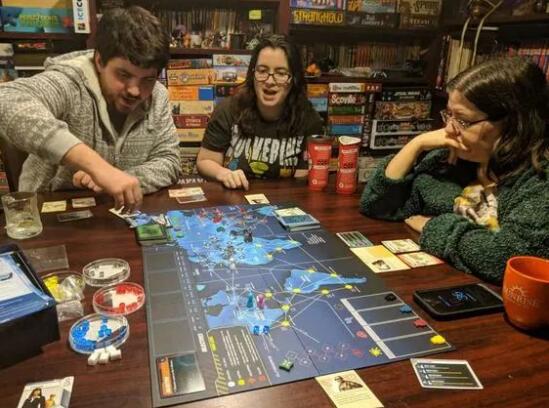
When multiple players participate in a task or goal that requires cooperation, each player may face such a dilemma: if other players choose to cooperate but do not cooperate, they can save efforts and get the same rewards as others; But if everyone chooses not to cooperate, the task will not be completed and everyone will lose the reward.
The dilemma of volunteers may lead to the lack of trust between players, the breakdown of cooperation and the division of the game community. To solve these problems, game designers can adopt the following strategies to encourage cooperation between players:
Possible strategies
1. Reward mechanism: set up a reward system to give extra rewards to players who contribute to the collective interests. This can encourage players to choose cooperation rather than free riding. For example, after completing the cooperation task, each player will be given additional props, experience points or gold coins based on their contribution.
2. Punishment mechanism: players who choose not to cooperate or destroy the cooperative relationship will be punished. This can act as a deterrent and prevent players from easily choosing to betray. For example, certain reputation points or experience points will be deducted for the behavior of destroying the task.
3. Reputation system: establish a reputation or reputation system to record players' behavior in the game. This can help other players identify trustworthy partners and promote long-term and stable cooperation. For example, according to the player's behavior and contribution, establish a reputation profile for them and show it to other players in the social function of the game.
4. Role positioning and division of labor: clarify the role and division of labor of each player in the game, so that each player can realize his importance in the team. This can enhance the sense of responsibility and belonging of players, thus promoting cooperation. For example, design roles with different skills and responsibilities for players to choose from and ask them to play a specific role in the team.
5. Social interaction: encourage communication, interaction and friendship between players through the social function in the game. This can increase the trust between players and reduce the possibility of betrayal. For example, social tools such as chat, guild or friend system are provided to promote communication and cooperation between players.
Today's summary
Through the above discussion, we can see the profound impact of the tragedy of the commons and the plight of volunteers in game design and the importance of dealing with these challenges. Game is not only entertainment, but also a complex social system, which involves resource allocation, cooperation and competition, community building and other aspects.
As game designers, we need to always pay attention to the behavior and psychology of players, and maintain the ecological balance of the game and the harmonious atmosphere of the community through reasonable design and guidance.
We need to constantly learn and use the theories and methods of other disciplines, such as economics, psychology, sociology, etc., to understand and respond to various problems in game design from a more comprehensive and in-depth perspective.
Is the game design of Digipen Institute of Technology good?
This article belongs to the original article of Natural Light International Art Education Team. Without permission, it cannot be reproduced commercially in any form. If it is found, it must be investigated for legal responsibility.