Game design portfolio coaching, driving force and availability theory in game design. There are many complex theories in the field of game design, among which the driving force and availability theory constitute the two core pillars guiding the practice of game design. The driving force stimulates the internal motivation of players and pushes them into the game world; The availability theory ensures that the interactive elements of the game are intuitive and fully functional, providing a smooth and rich experience for players.
Guangxianjun will give a detailed introduction to the students of game design today. Take the small book quickly and make class notes
Driving force: kindle enthusiasm
In game design, the driving force is the internal force to promote the player's action. They originate from the needs, desires and emotions of players, and can be reflected and satisfied through the design elements of the game. Different types of driving forces, such as epic significance and sense of mission, development and achievement, empowerment and feedback of creativity, stimulate players' interest and investment at different levels. The designer's task is to deeply understand these driving forces and skillfully integrate them into the game to create an irresistible game experience.
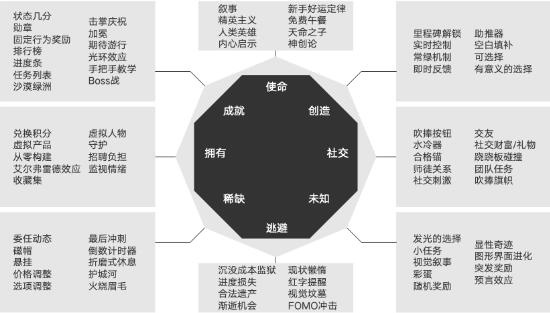
1. Epic meaning and sense of mission
This driving force comes from players' desire for grand stories and important characters. In the game, players are often given epic missions such as saving the world and protecting their homes. This sense of mission encourages them to move forward and overcome difficulties.
By creating a rich world view and story, designers can make players feel the importance of their roles and their contributions to the virtual world.
2. Development and achievements
Players pursue progress and sense of achievement in the game. This driving force urges players to constantly improve their skills, unlock new content, and achieve specific goals. By setting up a clear growth path, achievement system and reward mechanism, game designers can let players see their progress and get corresponding rewards, so as to continuously stimulate their interest and motivation.
3. Empowerment and feedback of creativity
Players are eager to express themselves freely in the game and get instant feedback. This driving force reflects the players' pursuit of creativity and autonomy. Game designers encourage players to use their imagination and create unique game experiences by providing creative tools such as sandbox or construction mode.
At the same time, the game needs to be able to timely and meaningfully feedback the creative behavior of players, so that they can feel their creativity and influence.
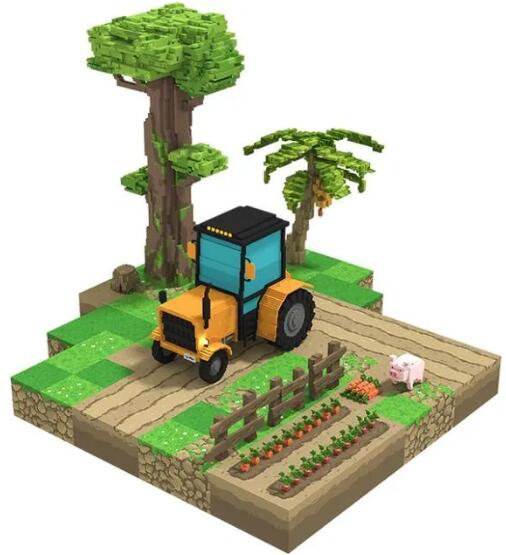
4. Ownership and possession
Players have a sense of ownership and commitment to objects, characters or territories in the game. This driving force reflects the attention and management desire of players to virtual property. Game designers enable players to own and manage their virtual properties by implementing ownership systems, such as territory management, pet/role development, etc. This sense of ownership and responsibility not only enhances the loyalty and commitment of players, but also provides them with a richer gaming experience.
5. Social Impact and Relevance
Players are eager to connect with other players and have an impact in the game community. This driving force reflects the players' pursuit of social interaction and sense of belonging. Game designers encourage cooperation and competition among players by providing multiplayer game mode and social functions, while creating an active community atmosphere. Social influence and relevance not only increase the interactivity and interest of the game, but also provide a broader social experience for players.
6. Scarcity and urgency
Players' pursuit of scarce resources or time limited activities increases the tension and attraction of the game. This driving force uses the players' psychological tendency to create a sense of urgency of "now or never" by setting rare items, time limited tasks or activities. Designers skillfully use scarcity and time constraints to stimulate the purchase desire and participation enthusiasm of players, so as to enhance the commercial value and user activity of the game.
7. Unpredictable and curious
The desire of players to explore the unknown and explore every corner of the game world is the core of this driving force. Game designers satisfy the curiosity and exploration desire of players by setting surprise elements and hidden content. The unpredictable game world and mysterious elements continue to stimulate the players' desire to explore and the novelty of the game experience, making the game more attractive and lasting.
8. Loss and avoidance
Players try to avoid losing existing resources, progress or achievements in the game. This driving force reflects the players' awareness of cherishing and protecting existing achievements. Game designers enhance the awareness and behavior of players to avoid losses by setting punitive failure consequences, resource management mechanisms and progress saving mechanisms. This driving force not only improves the challenge and tension of the game, but also urges players to make more cautious decisions and optimize game strategies.
Availability Theory: Shaping Attractive Game Interaction
The theory of availability emphasizes how objects or elements in the environment provide meaningful interaction possibilities for individuals. In game design, this means that game elements should have clear functions and interaction methods to support players' behavior and meet their expectations. Different types of availability, such as visual availability, functional availability, metaphorical availability, false availability and nested availability, together constitute the interactive framework of games.
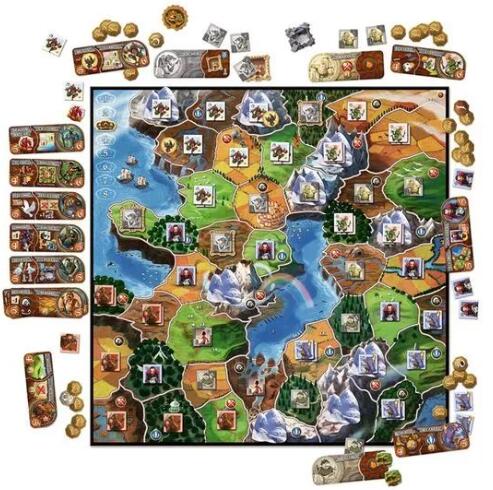
1. Visual availability
Communicate interactive information to players through the visual characteristics of game elements. Visual availability is crucial in game design because it directly affects the player's first impression and interaction decisions. Designers use color, shape, size and other visual elements to guide players' attention and prompt them to perform corresponding operations.
For example, in a puzzle game, a shiny prompt button may attract players to click for clues; In combat games, eye-catching enemy logos and health bars help players quickly identify targets and judge combat status.
2. Function availability
Emphasize the practical uses and functions of game elements and how they support player behavior. Functional availability ensures that every element in the game has its own meaning and purpose. Designers need to carefully consider the functionality of each element and ensure that they meet the expectations and needs of players.
For example, in role-playing games, the functional availability of weapons and equipment is reflected in improving character attributes and combat capabilities; In the strategy game, the functional availability of maps and resources is to provide the possibility of strategic planning and resource management.
3. Metaphor availability
Use metaphor or symbolic way to convey the interactive information of game elements. Metaphor availability plays an important role in game design because it can help players understand complex game mechanisms and concepts. By connecting with things or concepts in the real world, the availability of metaphor reduces the cognitive load of players and improves the fluency of game experience.
For example, in an adventure game, the metaphorical availability of HP and magic enables players to intuitively understand the character's health status and magic energy level.
4. False availability
It means that some characteristics of objects or elements in the environment mislead players into thinking that they have certain interactive functions but do not actually have them. False availability may lead to confusion and frustration of players, so designers need to be particularly vigilant and try to avoid it.
In game design, the key to avoid false availability is to ensure that the decorative elements are visually distinct from the actual operational elements. In addition, it is also important to help players distinguish which elements are interactive and which are non interactive by providing clear prompts and feedback.
5. Nesting availability
It reflects the hierarchical relationship and interaction depth between game elements. Nested availability provides players with a richer and more complex interactive experience and encourages them to explore the game world in depth. Designers create more challenging and attractive game experiences by designing game elements with nested relationships.
For example, in a puzzle game, players may need to find a key to open a door and explore the hidden area; The key itself may be a reward obtained by solving a series of puzzles. This nesting relationship not only increases the complexity and interest of the game, but also encourages players to think and explore more deeply in the game.
Today's summary
In game design, the driving force and availability theory are intertwined to create a high-quality game experience. The driving force inspires the internal motivation of players and pushes them to explore and challenge constantly; The availability theory ensures that the interactive elements of the game are intuitive and easy to understand, with rich functions, and provides smooth support for the players' exploration journey.
It is very important for game designers to have a deep understanding of these two theories and their sub theories. By integrating the driving force into the game design and providing the interactive experience that meets the players' expectations, students can create an attractive and intoxicating game world. At the same time, continuous exploration and improvement of the application of the driving force and availability theory will help promote the innovation and development of the game industry.
Selected School of Italian Stage Art Design
Interactive design portfolio training: how to understand the core principles of applied interactive design?
This article belongs to the original article of Natural Light International Art Education Team. Without permission, it cannot be reproduced commercially in any form. If it is found, it must be investigated for legal responsibility.