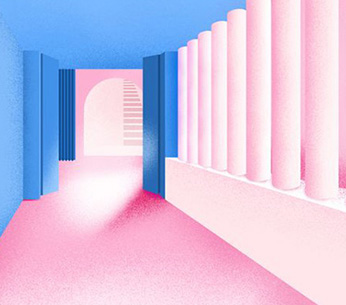
There are five methods of background painting in illustration design works. Background painting plays a crucial role in illustration works. It can not only add a sense of hierarchy and depth to the works, but also create a specific atmosphere and emotion. Mr. Guangguang summarized the following five methods of background painting to help everyone improve the quality of illustration collection.
Gradient background
A simple and effective method of background painting can be achieved by using the gradient tool or manually painting the gradient. The color and direction of the gradient can be selected according to the theme and emotion of the work. For example, the gradient from light color to dark color can create a calm and mysterious atmosphere.
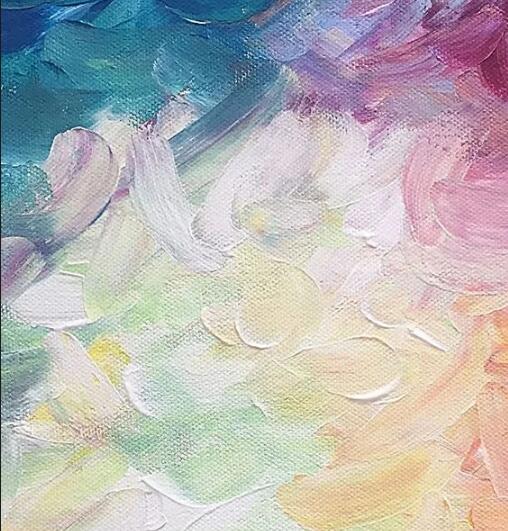
● Select appropriate gradient color and direction, and determine according to the theme and emotion of the work
● Use the gradient tool or draw the gradient manually. Pay attention to the natural and smooth transition of the gradient
● Try adding some textures or patterns to the gradient to increase the richness of the background
Texture background
Add texture or pattern to enhance the texture and layering of the work. You can use a variety of texture brushes or hatches, such as cloth, wood, water, etc.
● Select appropriate texture or pattern, and determine according to the theme and emotion of the work
● Use a texture brush or a hatch tool to paint the background. Pay attention to the proper distribution and density of the texture or pattern
● You can adjust the color and transparency of the texture or pattern to match the overall tone of the work
Scene background
It refers to drawing specific scenes according to the plot or theme of the work, such as urban streets, natural scenery, indoor environment, etc. The scene background can provide a richer background and situation for the work, and enhance the narrative of the work.
● Determine the content and atmosphere of the scene according to the plot or theme of the work
● Use appropriate colors and lines to draw the basic structure and details of the scene
● Pay attention to the perspective and light shadow effects of the scene, and enhance the sense of space and stereoscopy of the scene

Abstract background
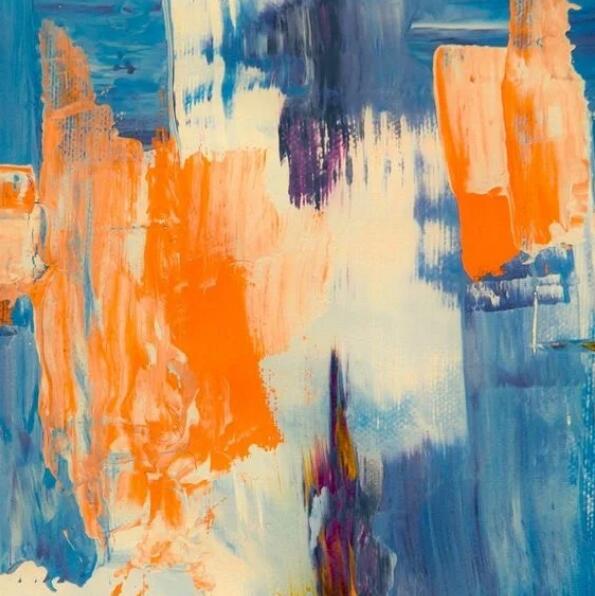
Create specific atmosphere and emotion through abstract lines, colors and shapes. Abstract background can provide more free and personalized expression for the works, and can also trigger the imagination and thinking of the audience.
● Use abstract lines, colors and shapes to draw the basic frame and atmosphere of the background
● Pay attention to the proper distribution and combination of abstract elements to avoid being too complex or monotonous
● You can try to use different materials and techniques to draw abstract backgrounds, such as graffiti, collage, etc
Comprehensive background
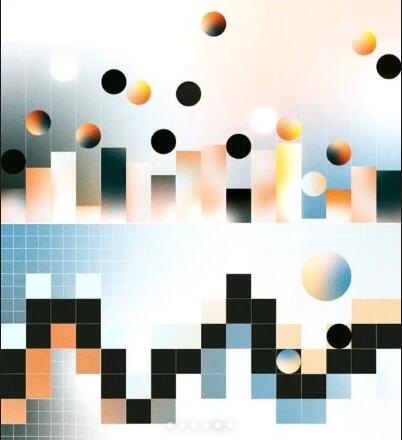
It refers to the comprehensive application of the above methods to create a richer and multi-level background effect. For example, you can add textures or patterns to the gradient background, or add abstract elements to the scene background.
● Determine the method and degree of comprehensive application according to the needs of the work
● Pay attention to the coordination and balance between different elements to avoid being too complicated or confused
● Try to use different materials and techniques to draw a comprehensive background, such as mixed media
Portfolio training: Can you really use shape language?
This article belongs to the original article of Natural Light International Art Education Team. Without permission, it cannot be reproduced commercially in any form. If it is found, it must be investigated for legal responsibility.