Central Saint Martin College of Biological Design. A two-year (60 week) research-oriented master's degree course is offered. This course will introduce designers from multidisciplinary design backgrounds to think about the whole system: bionic principles, ecosystems, biological computing simulation, digital and biological manufacturing technology, etc. It aims to precisely replace and create new design themes, and redefine the use of energy, water, air, waste and materials for the emerging bio circular economy.
The course focuses on:
● How to cooperate with life systems to create new sustainable material prototypes?
● How to integrate the life beneficial values into the design process to make it biologically compatible with the surrounding ecosystem?
● How can biological systems be designed to meet contemporary challenges such as urban resilience, human and environmental health?
● How does biological design promote circular economy?
● Can biological computing simulate the energy and material efficiency of life systems?
The curriculum consists of three modules. The first module (Unit 1: Seed) lays the foundation of biological design and will explore a series of biological information design strategies. Learning forms include laboratories, workshops, training, lectures and design projects. Some of these projects may involve cooperation with external science or enterprises. Unit 2: Grow: Students will develop their own biological design plans, actively seek external cooperation to test their own ideas, and enrich their learning from external stakeholders. The third unit (Unit 3: Harvest) emphasizes communication, takes the project of the second unit as the framework, clarifies the sustainable problems being solved through short films or animations, and will show the research, development and final design results.
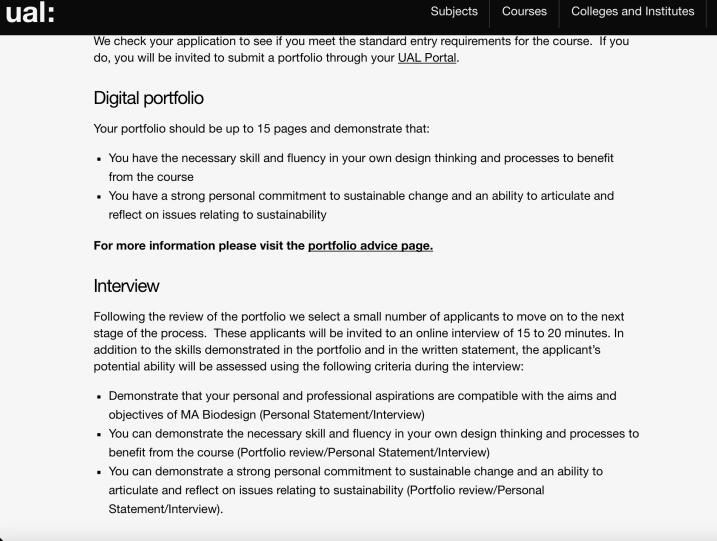
The school will select students who are suitable for this major through their personal statements, portfolios and interviews. Judge whether the students' personal career goals are consistent with the professional goals through personal statements and interviews. They need to demonstrate relevant professional skills and have strong personal expression and reflection on issues related to sustainable development. The number of pages in the collection shall not exceed 15.

Central Saint Martin Student work of biological design: Luis Undritz created a "plant printer" that projects light onto algae to produce images that can be printed on textiles, ceramics and paper. In three to seven days, the organism began to grow in the light area, and finally showed a fully developed "live" image. Undritz hopes to create a living garment in the future.
Mills Fabric Innovation Award 2022
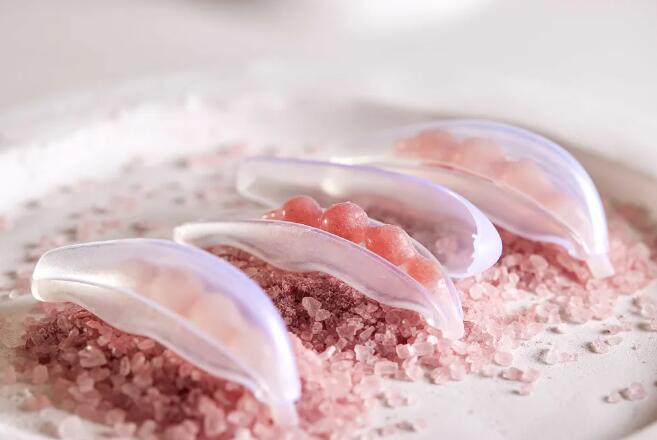
Malu Luecking, Master of Biological Design, won the Mills Fabrica Innovation Award for his Landless Food project, which uses microalgae to regenerate and exterminate flavor.
To celebrate the work of combining academic excellence with material innovation and sustainable development, The Mills Fabric awarded Malu 1000 pounds and held a three-month internship in their laboratories in London or Hong Kong. The residency project provides space and support to help her turn innovation into reality.
International tuition
£ 20505 p.a
This fee is correct for 2024/25 enrollment, but may change for 2025/26 enrollment.
Recommended:
Is 500000 yuan a year enough for studying in London?
This article belongs to the original article of Natural Light International Art Education Team. Without permission, it cannot be reproduced commercially in any form. If it is found, it must be investigated for legal responsibility.