We all know that people in the art world usually have big brains and can often come up with many unexpected ideas. But what is unexpected is that many seemingly tall and serious colleges and universities have opened professional courses, and those with big brains are also like joking, which makes people laugh and cry. Today, natural light is going to introduce the major to you. Although it is not popular, it will not go unnoticed. Students may have heard of this major, but when they think of it, their brains are blank and even have questions for three times. Art management major, today we will talk about art management major studying abroad.
How about studying abroad in art management?
As mentioned above, although this major is relatively unpopular, it is not "cold" at all. Many art colleges and comprehensive universities have set up related majors. Most of the time, it is called Arts Management, but sometimes it is also called Arts Administration. Students may also see Fashion Management and Design Management, which are also brothers and sisters of art management.
So what is the sacredness of art management, what is its relationship with art, and what needs to be learned?
The art management major studying abroad is a new discipline that has emerged for nearly half a century. With the trend of art financialization, the art management industry has gradually shed its mysterious cloak in recent years and begun to have a certain degree of attention. In general, the art management major needs to learn three major categories of disciplines, namely art, business and finance. It is an interdisciplinary major with a wide range of professional fields and employment options.
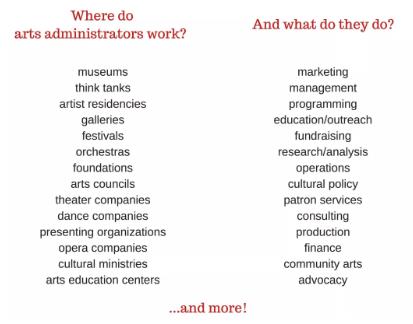
Source: ArtsDadministration.com
In a word, the significance of the art management specialty is to let the relatively isolated artworks and artists who created them "land" and connect with the market. It can also be said that their existence is like an intermediary between the art world and the real world, helping to manage the art market, mobilize art resources, and realize the most important works of art.

Art Institute of Chicago Home page of SAIC Arts Administration and Policy
Disciplines for Studying Abroad in Art Management
From the perspective of detailed discipline setting, the art management specialty is divided into visual arts and performing arts from the horizontal, and is divided into profit-making and non-profit operation modes from the vertical. In a narrow sense, art management only refers to the skills to manage art activities, while in a broad sense, it includes all policies, mechanisms, regulations, finance and theoretical research related to art.
After roughly understanding the concept of art management major, we will talk about the future employment prospects and career possibilities extended by this major. Most students are most interested in such a major, and the most difficult point is here.
On the one hand, such a cross disciplinary major seems to break out of the limitations of art, such as a balance point between art, business and finance, giving many students who love art but are worried about "being too high and too few" an intermediate option. On the other hand, they worry about the future employment direction of such a relatively unpopular middle zone. Next, let's take a look at the related professions derived from art management!
Art management related professions
Curator
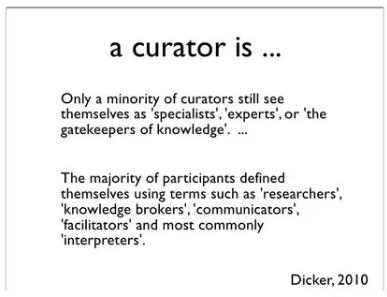
Curators are generally divided into Chang Li curators (teams) of museums, art museums and art institutions, and independent curators who are not accepted by mainstream art schools after the birth of contemporary art. This profession can be said to be very popular in the art world in 2019, and it is also one of the representative words in the art field in the past decade on Artnews. This is also a popular career option for students majoring in art management after graduation.
In the 2014 Whitney Art Biennale, Helen Molesworth, the chief curator of the Los Angeles Museum of Contemporary Art, wrote that "one of the most sacred meanings of curation is that it can create meaning through layout".
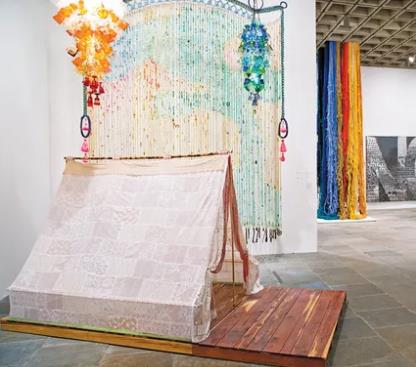
View of the Whitney Biennial,2014
The above picture shows Michelle Grabner, the curator and SAIC professor, who arranged a small exhibition area in the 14 year Whitney Art Biennale, which was evaluated by Helen as "like a messy 70s family gathering scene". The reason why this exhibition has aroused the attention of all countermeasure exhibitors is that it has selected three curators with different styles to plan different parts of the exhibition at the same time, and the final artistic style presented is also very different.
Although the art world's evaluation and criticism of this exhibition are more than praise, through this farce, the audience and art world people really feel the importance of curators. Even in the recent Artnews forecast of the art trend in 2020, the curator believes that the value of art will be redefined.
The reason for giving curators such high artistic evaluation is not to create gimmicks, nor is it groundless. Perhaps in the eyes of non artists, even some artists, the identity of the curator is more like the "intermediary" between art and the public, how important can it play?
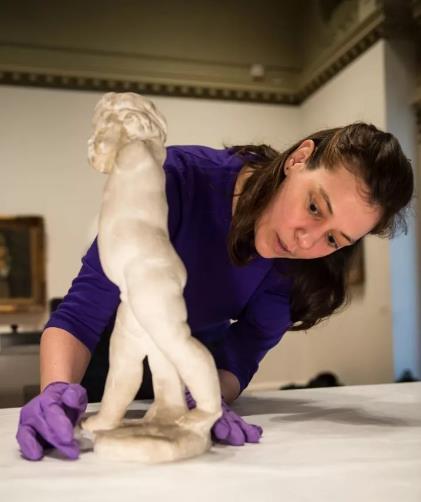
Curator Karen Serres at London's Courtauld College Gallery
In fact, due to the characteristics of artists, they are generally not good at dealing with businessmen, so compared with other groups, art needs intermediaries more urgently. The curator is exactly the role needed.
Rather than planning and arranging exhibitions literally, the responsibility of the curator is more like a Story Teller, who is responsible for telling the story of artists and their works logically, so that the audience can understand and be moved by it. Therefore, the curator first needs to be a person who understands art, and then needs to understand popular culture and public psychology, so that he can plan an art exhibition with logic, theme and clear goals.

You Must Kiss Your Father Enthusiastically Huang Bing Animation Exhibition
It is also worth mentioning that with the diversification of art forms, many modern artists have begun to work part-time as curators. Huang Bing, the animation artist in the above figure, is one of them. His art exhibitions are basically produced by himself. He makes art installations and arranges exhibition halls on the basis of animation. He is a truly "versatile artist".
The curator, like the art management major, has the difference between the for-profit exhibition for the purpose of profit and the non-profit exhibition for the purpose of cultural communication. In general, the focus of exhibitions for profit is art auction, in addition to the sale of tickets and art peripheral products. Auction, on the other hand, involves the realization of works of art, which also gives rise to our next art career——
Art Dealer
Art managers have a stronger concept of business than curators. They are intermediaries between artists and businessmen, and the economic operation of all art realization needs the gear of art managers to rotate.
But the role of art managers is not just in the sales field. They need to find some emerging artists with potential value and become the driving force behind them, and finally achieve a win-win situation with artists.
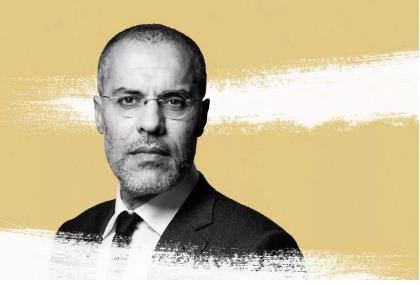
Kamel Mennour
Kamel Mennour is undoubtedly the most successful art manager in modern history. In 2016, he was listed as the first of the "Top Ten Most Respected Art Managers in Europe". He is a famous French gallery owner and owns three art galleries. But it is obvious that in the era of inflation, there is no way to make profits by opening galleries alone.
Indeed, opening a gallery is just a way for Kamel Mennour to get in touch with more artists, and his business identity takes precedence over the existence of artists. He was dissatisfied with the way in which the art world evaluated works of art by age and seniority, and thought that they were "nurturing old artists with the blood of young artists", so he wanted to create a new order for the economy of the art world.

‘The Moral of the Story.’ device
He began to retreat from the stage to the backstage and support the young artists he admired with practical actions. With the support of Mennour, they began to live in less embarrassment, and gradually got the support of their parents, forming a benign art industry closed-loop.
In fact, there are many art managers like Mennour. Their professions are not as philistine, utilitarian and impersonal as we imagine. To some extent, the relationship between artists and art managers has evolved from a purely commercial relationship to a sincere friendship.
Many times, even in the face of commercial failure, emerging art managers will support their artists, because their relationship is far deeper than that of business. For artists, the image of an art manager is "the only bosom friend".

Joseph Duveen, art manager
Artsy published A Brief History of Art Dealing, which described: "(They) look everywhere for shabby art workshops, find those misunderstood talents, work hard, break all rules, and then tirelessly promote this newly discovered treasure. Even in the face of the most severe criticism, these art scholars will still firmly defend these artists' ideals".
Such behavior can almost be described as romantic, which is why so many artists trust their managers so much. In fact, the career of art manager is far more noble than we think, and also closer to art.
Today we launched a series of related discussions on art management, a niche specialty in the art world. You must have seen here that the students have their own answers to the three questions at the beginning of the article.
Studying abroad in art management is a major with a wide range of disciplines, which is suitable for students who are interested in art but do not want to stay in art creation. The discipline of art management has requirements for the three professional fields of art, management and finance. In an interview with 100 graduates majoring in art management, they emphasized that the most "useful knowledge" was art history.
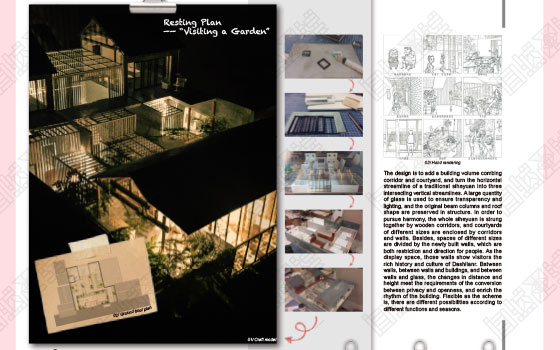
Won the work collection of natural light student Gao from SAIC Offer
Eugenie Tsai, curator of Contemporary Art Department of Brooklyn Museum, said, "Artists get inspiration from historical traditions, so to understand the creation of today's artists, we should know what happened in the past.". This also reveals the relationship between art management and art. Art is like the soil for cultivating art management. Although it has been integrated with management and economics in the later period, it is still rooted in art. If you can't understand art, how can you manage it.
For the employment prospects of art management majors studying abroad, we cited the two most common career choices of art management graduates, curators and art managers. However, there are still many ways for art management majors to choose, from art critics to auctioneers, and even to become independent "all-round artists". I hope that through today's analysis, students can have a deeper understanding of the subject of "art management" and the possibility of its future. I also hope that I can bring more inspiration to the students in choosing majors!
More recommendations:
Is it expensive for fashion designers to study abroad? How to save money?
Curriculum Design of CalArts Animation Major at California Academy of Arts
This article belongs to the original article of Natural Light International Art Education Team. Without permission, it cannot be reproduced commercially in any form. If it is found, it must be investigated for legal responsibility.