The interaction design course of Art Center Design College is an interdisciplinary course involving information, vision, cross media, etc. What will the interaction design graduates of the Art Center Design School, America's most exciting interaction design school, master?
Art Center School of Design The course of interaction design is a survey of the key principles and processes of human centered interaction design, covering a wide range from screens, software applications and products to built environments. In the studio environment, students have experienced an overview of a subject and different professional roles that designers may play. This broad framework enables students to combine their future more professional learning courses and understand the methods and applications of interaction design. Students will develop skills in depicting user experiences through low fidelity prototyping techniques such as paper, slides, animation, and simple interactions. In combination with the interaction prototype, one student will repeatedly develop screen based projects, roles, concept maps, processes, and user journeys through multimedia/customer touchpoints.
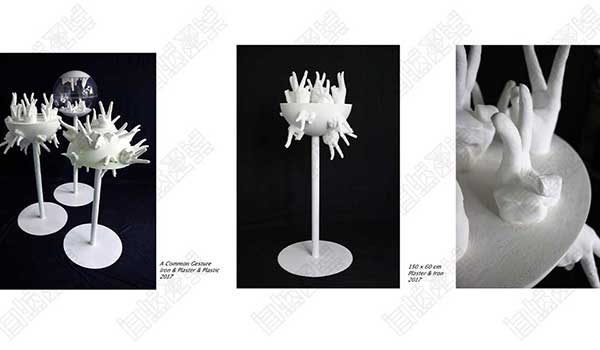
Successful application of natural light interaction design graduate student: Art Center School of Design/Parsons School of Design/Chicago School of Art
What will the interaction design graduates of Art Center School of Design master?
Basic skills and abilities
Fluent and understanding of the inclusiveness and cross media characteristics of interaction design, as well as the various methods and capabilities of this approach:
Display user centered design in the interaction design process. Be good at identifying new market trends, interactive styles, technologies and usage patterns. The continuous function of technology integration shows a mature understanding of the final product and user interaction. Interact with products/objects and services by designing and developing screen based experiences. Strictly apply and integrate research methods, user experience methods and usability guidelines to conceptualize and improve their projects and presentations. Position yourself in a wider range of design practices and disciplines.
Critical thinking and innovation process
Demonstrate and exchange research methods, conceptualization and solutions for any problem or project:
Demonstrate and communicate the analysis of their work and that of peers, as well as collaborative work; Development project innovation, usability discussion and criticism methods.
Practice critical thinking and flexible threshold techniques, human centered design, and business factors to develop appropriate, practical, and actionable responses to any problem.
Speculate and accept broad and imaginative ideas to produce new and unexpected results.
Demonstrate reflection and iterative design through process documentation.
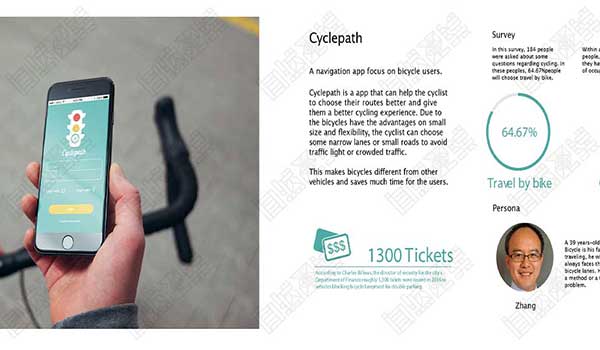
Successful application of graduate student in natural light interaction design: ACCD Interaction design
research method
Be good at various or specific research methods such as user centered design, interaction design and usability:
Demonstrate an understanding of various research methods, and the ability to synthesize and balance these methods to design and develop projects, demonstrations, and practices. Be good at learning about people's methods. As well as understanding the traditional psychodemographic methods, users are described according to the expected experience type, behavior and technical social graph. In the design and development of concepts and projects, practice and define the methods of primary, intermediate and visual research methods. Demonstrate how to understand many usability principles and design criteria of the technology platform, as well as human factors of physical equipment and systems.
Visual Design and Innovative Technology
ACCD Graduates will be able to: (Portal: Interaction design of Art Center Design School _ application _ expense _ focusing on user experience and creating digital design )
Demonstrate the ability of visual design and creative technology through narrative, prototype and media:
Demonstrate the understanding or ability to create, program, and develop functional prototypes or create fully deployable systems consisting of physical and digital components. Demonstrate fluency in visual design, human factors, behavior design principles and human-computer interface criteria; Understand the limitations of software and hardware by studying the past, trends and upcoming technologies. Be good at one or more visual design fields, including graphic design, photography, film and sports; And the development or invention of digital platform and its auxiliary software. Combine excellent visual design process and creative technical skills with strong conceptual ability.
Introduction and communication
ACCD Graduates will be able to:
Demonstrate innovative synthesis of visual design and production skills for communication, persuasion and debate among peers and throughout practice:
Demonstrate the ability to combine the extensive and profound understanding of design with the expanding existing and emerging media formats and their basic economic mechanisms. Demonstrate the ability to communicate concepts, projects and processes: visually, verbally, and in writing. Become the knowledge base of future creators on methods, materials and technologies. Become the knowledge base of future creators on methods, materials and technologies.
Professional practice and collaboration
ACCD Graduates will be able to:
Show others their understanding and influence of methods and tactics, as well as the development of practice: show the ability to collaborate individually and within the team, and have a critical and practical understanding of other art and design practices and the development methods of interaction design projects. Demonstrate their ability to place their practice in contemporary society, as well as the social and ethical significance of this practice. Integrate lifelong learning practices and constantly develop career related skills. Understand the basic business principles of design and production, such as intellectual property rights, contract law, freelancer strategy and entrepreneurial thinking. Understand the interaction and user experience design industry - whether they plan to join an established company or start their own business.
More articles and cases about interaction design of the Art Center Design Institute:
Admission requirements_application materials_work collection requirements_how to apply for preparation
Art and design major studying in the United States, and industrial product design studying in the Art Center Design Institute
This article belongs to the original article of Natural Light International Art Education Team. Without permission, it cannot be reproduced commercially in any form. If it is found, it must be investigated for legal responsibility.