What's going on with the collection of visual communication works for studying abroad? When studying in Visual Communication Design, the portfolio is a very important part of the application process, which shows your creative thinking, design skills and project experience. The following are some steps and suggestions for preparing the professional portfolio of visual communication design for studying abroad:
1. Requirements of the target school
Know the school: study the schools and courses you are interested in, and understand their specific requirements for the portfolio.
Format and size: pay attention to the school's restrictions on the format, size and number of pages of the portfolio.
2. Demonstrate diversified skills
Multi media: show your work in different media and technologies, such as graphic design, illustration, photography, typesetting, web design, etc.
Design software: show your proficiency in Adobe Creative Suite and other design software.
3. Creativity and concept
Originality: Make sure that the items in your portfolio are original, reflecting your unique perspective and creativity.
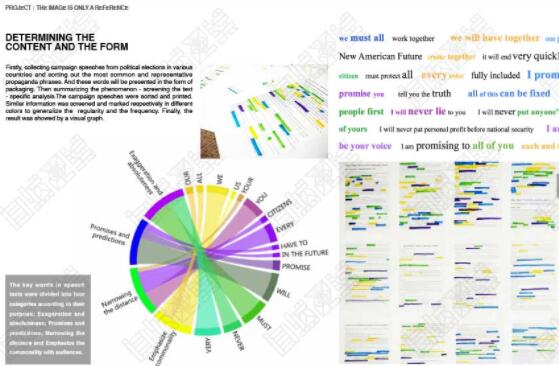
Concept development: show your design process, from concept conception to final product.
4. Project selection
Selected works: choose projects that represent your best work and skills.
Diversity: Including different types of projects, show your diversity and adaptability.
5. Display design process
Process documents: including sketches, preliminary concepts, design iterations, etc., to show your thinking process.
Project description: provide a brief description for each project, explaining the design background, objectives and solutions.
6. Professional presentation
Layout and typesetting: ensure that the layout of the collection is clear, professional and tidy.
Visual attractiveness: Use colors, images, and fonts to enhance visual effects.
7. Update and Iteration
Regular update: With the improvement of your skills and the production of new works, regularly update your portfolio.
Feedback: Seek feedback from mentors, peers or industry experts and improve accordingly.
8. Digital and paper
Digital works collection: prepare an online version of works collection for sharing via email or online platform.
Paper portfolio: prepare a printed portfolio if required by the school.
9. Prepare the presentation
Self introduction: prepare a brief self introduction to explain why you choose the major of visual communication design.
Portfolio Statement: Prepare a statement about the portfolio, outlining your design philosophy and goals.
10. Proofreading and inspection
Proofread carefully: check the spelling, grammar and typographical errors of the collection.
Technical check: ensure that all links and multimedia elements work properly.
11. Personalization and storytelling
Personal Style: Make sure your portfolio reflects your personal style and design philosophy.
Story telling: try to tell a story in your portfolio to show your growth and journey as a designer.
Preparing a portfolio is an ongoing process that requires time and effort. Be sure to start early and give yourself enough time to improve your portfolio. At the same time, participate in relevant workshops, lectures and exhibitions to get inspiration and improve your design skills.
What are the graduate art design majors of Bristol University?
This article belongs to the original article of Natural Light International Art Education Team. Without permission, it cannot be reproduced commercially in any form. If it is found, it must be investigated for legal responsibility.