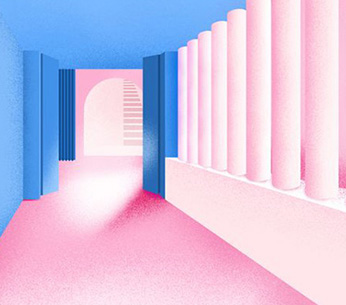
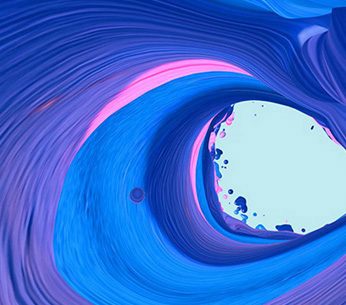
The inspiration I share with you today is "dream pleasure". Literally, it refers to the pleasure or happy feeling experienced in the dream. People may experience various emotions in dreams, including happiness, excitement, satisfaction and other positive emotions. These feelings can be regarded as a psychological pleasure.
For example, dreams of realizing personal wishes, reuniting relatives, or engaging in pleasant activities may bring positive emotional experiences, similar to real pleasure. This kind of experience is usually the result of the brain's processing and restructuring of daily experience, emotion and memory in the sleep state. Because the content of dreams is highly personalized and subjective, the specific form and source of dream pleasure vary from person to person.
At the social level, "dream pleasure" is a reflection of group aspirations and social identity, and also reflects the suppression or release of individual desires by society. It is not only an individual's desire for a harmonious family and social respect and understanding, but also a collective fantasy of an ideal social state. The collection of works can show people's happiness and sense of belonging in the common experience, and explore how to promote the positive development of society through art, starting with social interaction, the design of public space, and the recording of community activities.
In the exploration of identity, "dream pleasure" is a critical moment for self recognition and acceptance. Dreams are often the manifestation of individual subconsciousness. The happy experience in them reveals the deep needs and desires of individuals, and may also indicate the aspects that individuals cannot or do not want to express in real life. The works can focus on the story of personal growth, the exploration of gender identity, the search for cultural belonging, etc., and use different artistic languages to show how individuals find themselves in the journey of dreams and realize the recognition and sublimation of identity.

In philosophy, "dream pleasure" challenges the boundary between reality and illusion, prompting us to think about the essence of consciousness, existence and authenticity. The works can blur the boundary between reality and dreams through surrealism, and explore whether pleasure belongs to dreams or can be found in the real world. Students can use symbols and metaphors to guide the audience to reflect on the relationship between the inner world and the external world, as well as the position of pleasure in the philosophy of life.
The following are some examples of "dream pleasure" in reality, and how they help to extend the creative ideas of the collection. Kusama's "Infinite House" series:
Immersive works of art created with mirror effect provide a dreamlike experience for the audience through the visual effect of infinite reflection. In the creation of works collection, we can explore how to create similar immersive dream space through visual art techniques, such as reflection, repeated patterns, etc.
What if the inspiration source of the collection is exhausted?
How to get inspiration from the "identity crisis"?
This article belongs to the original article of Natural Light International Art Education Team. Without permission, it cannot be reproduced commercially in any form. If it is found, it must be investigated for legal responsibility.