"War" theme works are inspired by ideas, and war themes have rich expressive force and aesthetic value. The collection of works can explore how to present the cruelty and beauty, tragedy and loftiness of war through artistic techniques. This involves the ethical issues of artistic creation, aesthetic concepts, and the relationship between art and reality, providing unique experience for the audience.
But this is also a sensitive and often painful subject. If you use the portraits or stories of real people, make sure to obtain their permission or follow appropriate ethical guidelines. When handling relevant materials, the victims, participants and their families should be treated with great respect. Avoid over rendering war scenes to avoid unnecessary emotional harm to the audience.
Accuracy and research
Study the war background and specific events you choose in depth to ensure that the information presented is accurate. Use reliable historical data and literature as references to avoid spreading false information or rumors.
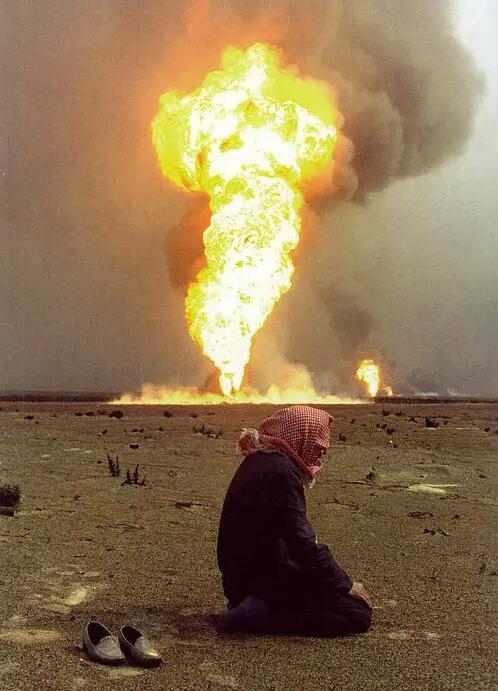
Collection training
◆ Micro world: focus on a small object, a letter from home, and a corner of the battlefield in the war, and show the other side of the war through exquisite description. For example, a soldier's diary records his mental journey and his yearning for his hometown.
◆ Blending with nature: explore how war affects the natural environment and how nature maintains its original power in war. For example, describe how wild flowers and animals on the battlefield survive in the ruins.
◆ Children's perspective: observe and understand the war through children's perspective, and show the world in their eyes. This can be a story full of imagination and fantasy, or it can be a profound reflection on the cruel reality.
◆ Exploration of relics: As a photographer or explorer, record the relics, ruins and unexploded ammunition left after the war. Through images and words, people can feel the profound impact of war.
◆ Realism: use surreal and dreamy elements to describe the war and break the boundary between reality and fiction. This technique can create a shocking visual effect and guide the audience to think deeply about the nature of war.
⭕ give an example:
From the survivor's perspective:
This perspective focuses on the problems left behind by the war, such as the fate of orphans, the challenges of post-war reconstruction and the process of spiritual recovery. The work can explore how survivors face the shadow of the past, and how they seek hope and new life on the ruins. Arguments may relate to the long-term effects of war, the need for social support, and the resilience of individuals and societies., Today I share with you the second issue of the "war" theme, which is an extension of the idea of niche inspiration.
The themes of war have rich expressive force and aesthetic value. The collection of works can explore how to present the cruelty and beauty, tragedy and loftiness of war through artistic techniques. This involves the ethical issues of artistic creation, aesthetic concepts, and the relationship between art and reality, providing unique experience for the audience.
But this is also a sensitive and often painful subject. If you use the portraits or stories of real people, make sure to obtain their permission or follow appropriate ethical guidelines. When handling relevant materials, the victims, participants and their families should be treated with great respect. Avoid over rendering war scenes to avoid unnecessary emotional harm to the audience.
Accuracy and research
Study the war background and specific events you choose in depth to ensure that the information presented is accurate. Use reliable historical data and literature as references to avoid spreading false information or rumors.
◆ Micro world: focus on a small object, a letter from home, and a corner of the battlefield in the war, and show the other side of the war through exquisite description. For example, a soldier's diary records his mental journey and his yearning for his hometown.
◆ Blending with nature: explore how war affects the natural environment and how nature maintains its original power in war. For example, describe how wild flowers and animals on the battlefield survive in the ruins.
◆ Children's perspective: observe and understand the war through children's perspective, and show the world in their eyes. This can be a story full of imagination and fantasy, or it can be a profound reflection on the cruel reality.
◆ Exploration of relics: As a photographer or explorer, record the relics, ruins and unexploded ammunition left after the war. Through images and words, people can feel the profound impact of war.
◆ Realism: use surreal and dreamy elements to describe the war and break the boundary between reality and fiction. This technique can create a shocking visual effect and guide the audience to think deeply about the nature of war.
⭕ give an example:
From the survivor's perspective:
This perspective focuses on the problems left behind by the war, such as the fate of orphans, the challenges of post-war reconstruction and the process of spiritual recovery. The work can explore how survivors face the shadow of the past, and how they seek hope and new life on the ruins. Arguments may relate to the long-term effects of war, the need for social support, and the resilience of individuals and societies.
How to get inspiration from the "identity crisis"?
This article belongs to the original article of Natural Light International Art Education Team. Without permission, it cannot be reproduced commercially in any form. If it is found, it must be investigated for legal responsibility.