The first working day in 2021
Has the new year's flag been set?
Or the hole left last year still hasn't climbed out
Do you have a collection of works/finished design and can't express your ideas?
Want to practice, but can't get good works?
Looking for a job after graduation, worried about not having excellent ability?
In the age of intelligence, the future has come
Natural light art study abroad winter vacation construction camp is coming
New concepts, new techniques and new technologies
Digital design makes the design practice
Objects and programs have changed
Initiate a new wave of combination of design and technology
This course focuses on the field of architectural space design
Integrating digital design and traditional materials
As a core direction
Build a complete learning and creation process
Construction from material cognition, design logic and ideas
To model building, rendering, and post landing
Inspired by the unique physical environment
Combined with perfect resource allocation
Be familiar with the complete process of project construction
Help your design inspiration to be perfect
Independent production of unique creative works
More opportunities to win the certificate of ultra-high gold content!
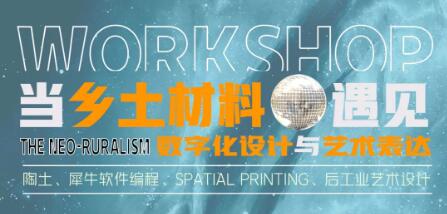
WORKSHOP
Vernacular materials meet Digital design And Artistic expression
Come to West Stream, Huangshan, Anhui with the study of Natural Light Art!
January 18 to 24, 2021
In this 7-day and 6-night construction camp, you can get:
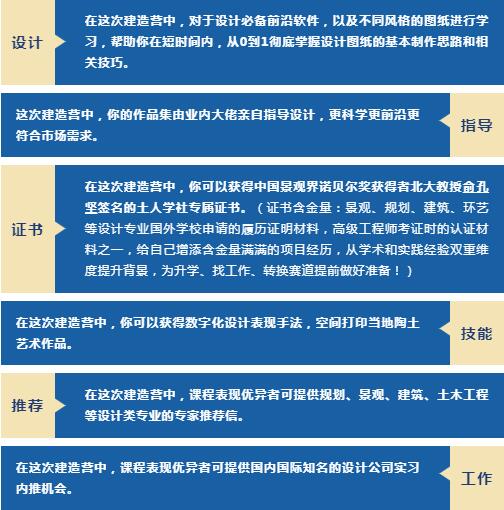
From plane to solid, from foundation to practice,
Each stage is carefully arranged.
The instructor takes you through the whole process,
Make a complete text or work!
Enrich your own collection of works
Challenge the working seats of first-class universities and large factories!
1. Introduction to Pottery Design Project
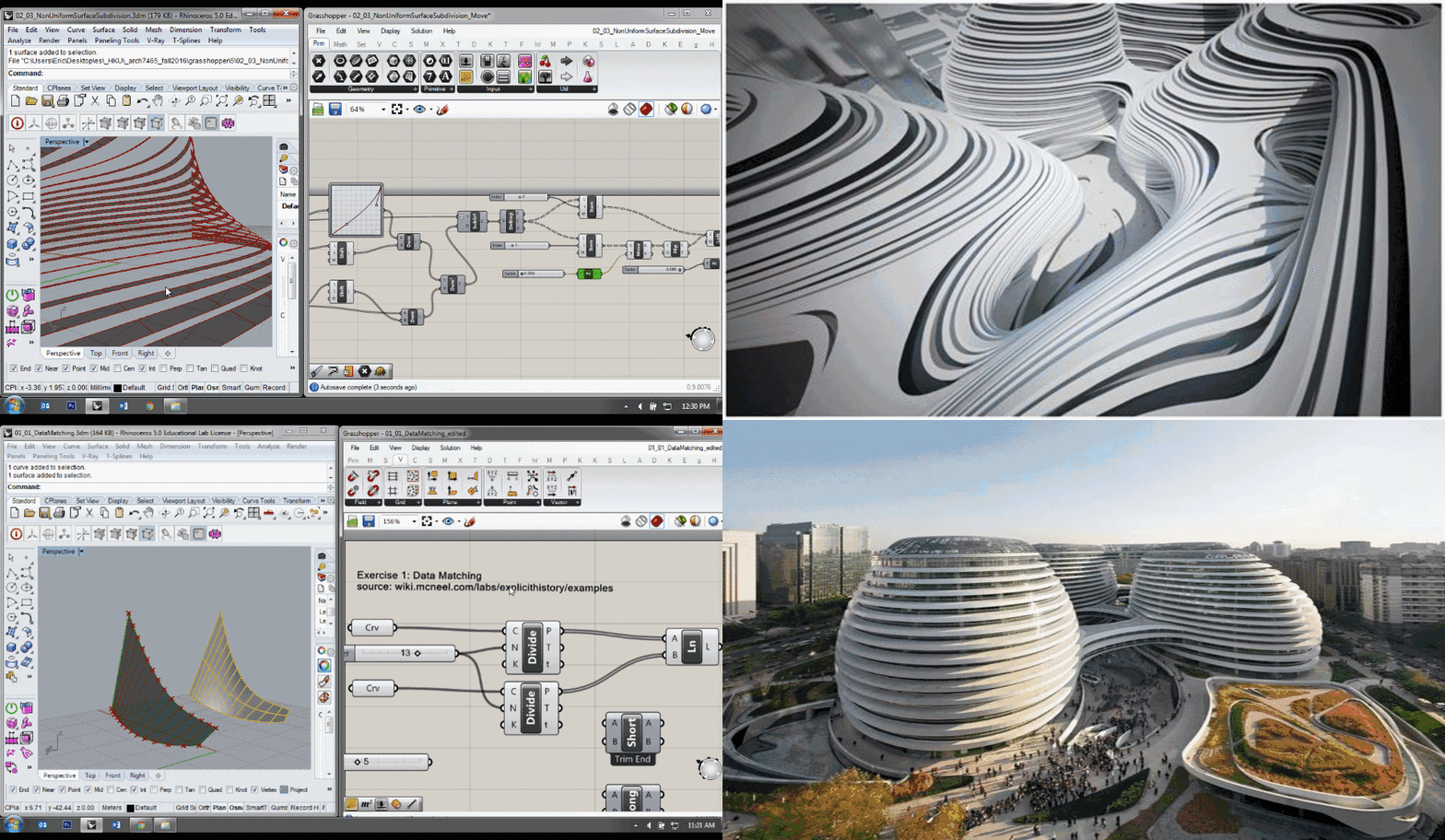
This clay design project workshop focuses on traditional local materials - clay, builds Rhino+grasshopper platform, carries out 3d modeling design, uses python+spatial printing to present the entity of design inspiration, and finally, based on the application of new technology, makes a comprehensive study of "modern art", "science and technology help cultural innovation", "digital design", "new material exploration", "old materials and new works" And other topics for open discussion.
2. Program highlights
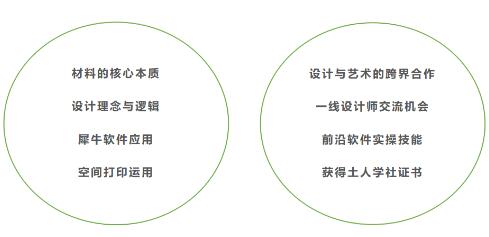
Old materials X new technology, local materials, science and technology. Collision design ideas, stimulate artistic inspiration and reproduce creative models.
Get rid of plane and enter three-dimensional space, and let modern art and technology help. Teaching method of "Design · Art · Technology · Creativity" Learning by Doing:
Joint research+joint discussion
Division of work and cooperation+group teaching
Software learning+application practice
Model design+achievement presentation
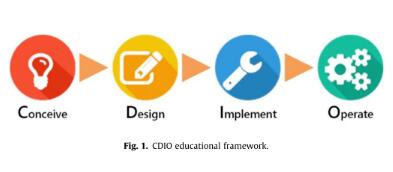
Construct the conception design realization operation CDIO teaching mode of innovative thinking training, and explore a set of methodology of "old materials and new works".
3. Harvest of pottery design project course
4. Tutor introduction
Chen Jie
Founder | EVOLVE Emerges Director of Architectural Design
Co founder | E-LAB design research
Chen Jie is an architect and designer in Shenzhen and graduated from the UK AA Architectural Alliance College And Nottingham University. He has worked in many well-known architectural design companies, such as Arup and Alsop Architects. In 2010, he founded EVOLVE Design Studio in London, and five years later, he founded Emergent Architecture in Shenzhen. Up to now, there are practical works in different scales, including space installation, interior design, architectural design and urban design. His main interests are public buildings, open spaces and art spaces.
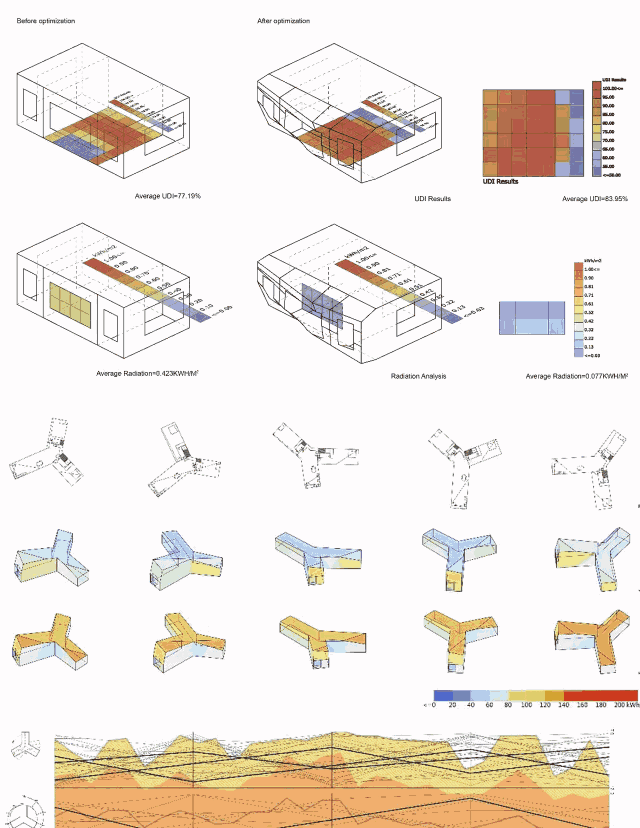
After graduating from AA, he focused on using cutting-edge design and technology to achieve ecological design, especially the generative design based on the growth logic of natural organisms. It includes searching for new architectural forms through computer simulation of natural phenomena; By simulating the indoor and outdoor environment of the building to respond to the architectural design and optimize the architectural engineering design, a more adaptable building can be generated; There are also research and simulation of materials to explore new space design and construction methods.
Zhu Guanqi
University of Queensland, Australia
Doctor of Architecture School
Digital design consultant
Designer, Maker
Zhu Guanqi has participated in various types of research projects combining architecture and data in several design institutes or studios, and is good at integrating algorithms and mathematical logic into design to solve practical problems. In architectural practice, algorithm design is combined with architectural design to provide more choices and improve design efficiency; In the construction phase, digital construction related technologies are used to reduce resource consumption and reduce the difficulty of complex form construction. And with the development of science and technology, thinking about new technologies will provide more possibilities for traditional design methods.
The participating projects have won AEC (Autodesk Excellence Awards), the second place in the world in the architecture category, the first prize in the Informatics Olympic Competition, and the finalists in the A8 Architecture Competition. Research interests include material programming, machine learning, digital design and construction.
Lin Shengqiang
The brand founder of Senni Society
Social ceramic art education promoter
Ceramic Art Department of Jingdezhen Ceramic Institute
In Jingdezhen Sanbao International Ceramic Art Village, I worked as an assistant of foreign artists, engaged in educational exchanges to promote ceramic art, committed to the research and application of ceramic materials, aimed at providing basic construction services for artists and ceramic lovers to create ceramic material databases, and committed to the promotion, learning and exchange of Chinese and Western ceramic culture.
Xiong Ying
Senior Landscape Architect
Academic Director of Tu Ren Society
American LEED certified expert
Arizona State University
Master of Landscape Architecture
5. Course arrangement of clay
01 Research and application of characteristics of clay and local materials
02 Rhino + GH theory explanation and practical operation guidance
03 Digital construction and expansion of traditional materials
04 Clay model design and space printing construction
Stage 1: Theory and software application learning
Theoretical learning:
□. Basic design skills, concepts, process thinking required by computational design;
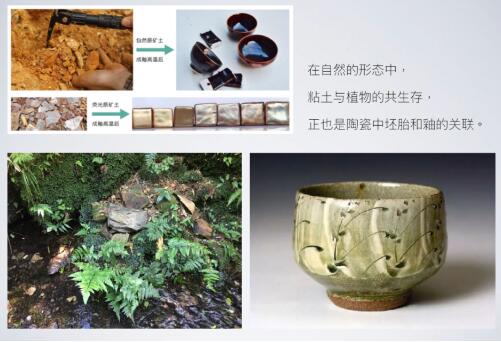
□. Systematically learn the basic properties and characteristics of pottery, traditional local materials (local soil, sand, etc. in Xixinan);
□. Systematically learn ceramic design process and traditional skills.
Software application:
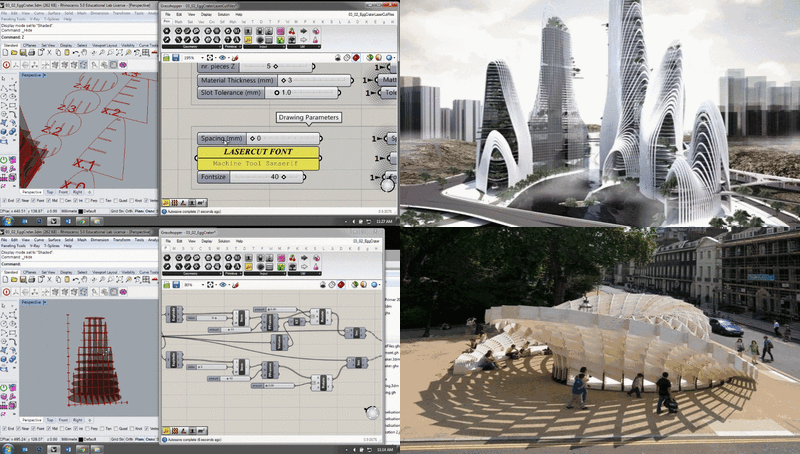
□. The main teaching content is the digital design platform rhinoceros and Grasshopper. Basic command teaching of rhinoceros software. Through this stage of learning, students can understand and master Rhino's basic commands and operations, and through actual completion of modeling exercises for world famous building projects, gradually master the application ability of rhino software from basic to advanced, and design creative 3D models on the design platform Rhino+GH.
Phase II: Model construction
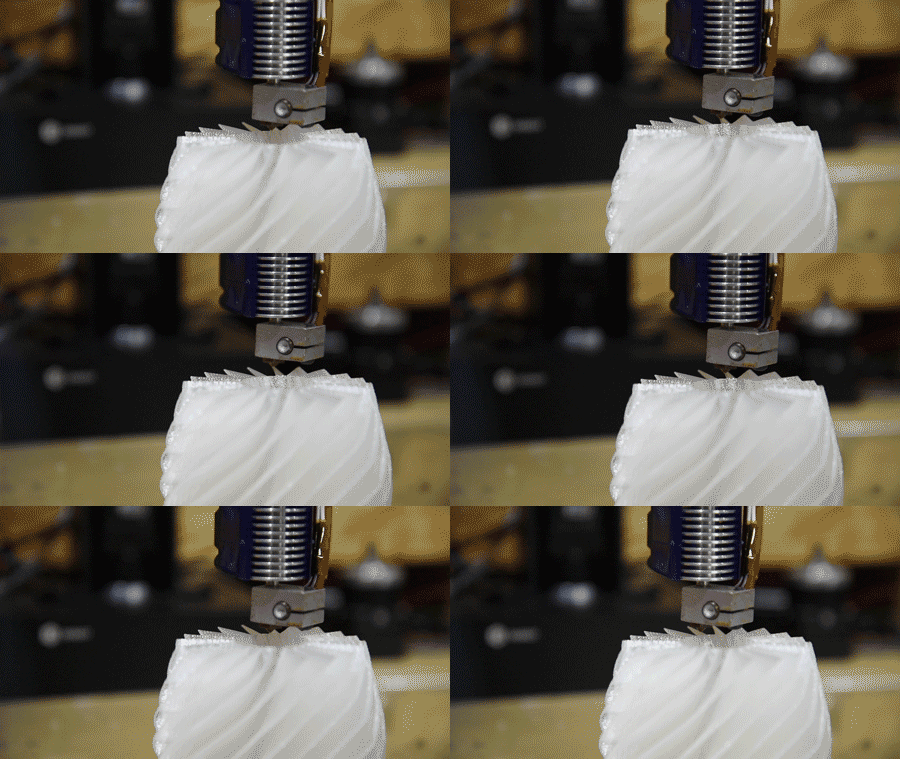
□. The trainees try to design the creation model on the rhinoceros platform, reproduce the model using traditional clay materials and Spatial printing, glaze, open the kiln, and build on the spot. Finally, the trainees report the results, and the instructor selects the excellent construction scheme.
Ps: The results report includes the summary of research on the re application of clay materials, design ideas and practical construction experience.
Schedule
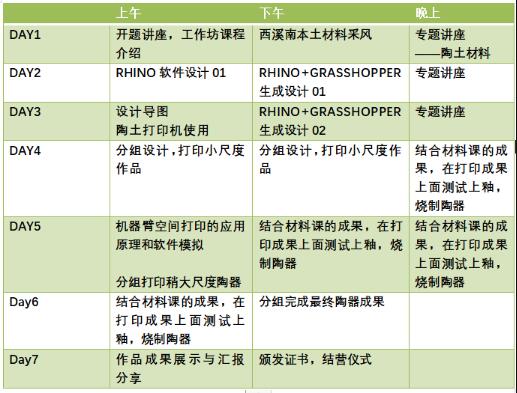
The course schedule is as follows, which may be fine tuned according to the course schedule
6. Location Introduction
Why is the construction camp in the south of Xixi?
The water and soil in the south of Xixi has beautiful natural scenery and profound cultural heritage. There are good and rich ecological and cultural resources around, including many UNESCO certified world heritage sites.
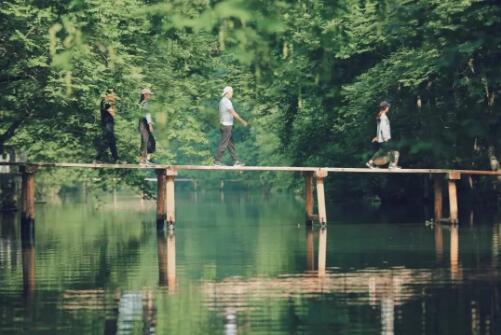
This piece of land, with its unique temperament and aura, takes a piece of soil and natural plants to explore the root. Through the reorganization of the morphological structure in nature, combined with the current cutting-edge digital design and creation, this may be a reflection given by art and design to people, thinking about the balance between man and nature, man, land and nature. The charm of science and technology, design, creativity and art burst out in the ancient charm of Xixi South Village.
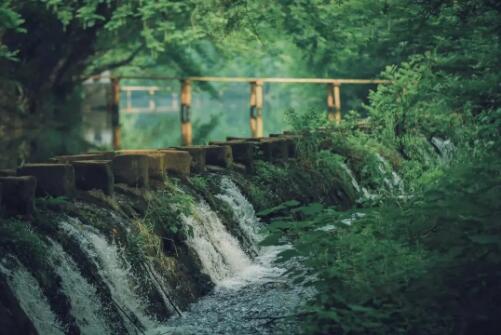
convenient transportation
Xixi Nantu Society Base is about 10 minutes' drive from Huangshan North High speed Railway Station, 5-6 hours from Beijing to Huangshan North Station by high-speed railway, and 2-3 hours from Shanghai to Huangshan North Station by high-speed railway; The school is about 40 minutes' drive from Huangshan Tunxi Airport.
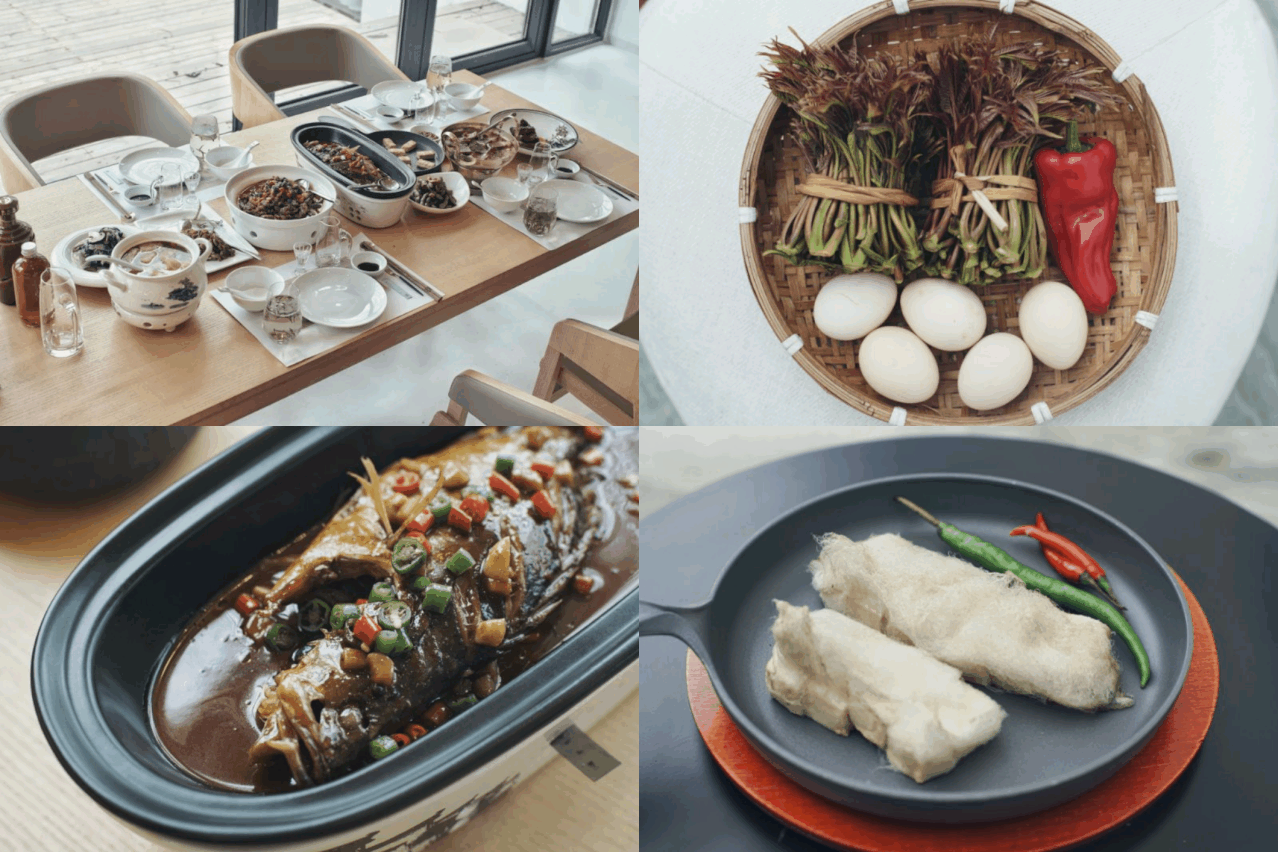
The experience of eating and living in Yuantianju
In the Xixinan camp, there are agricultural bases and natural pollution-free food materials built by architects. In the exclusive vegetable garden and spacious kitchen, you can witness and experience the process from picking to food production.
Restaurants during the operation period are selected from regular restaurants that have cooperated with the local government for more than ten years. They are safe, hygienic and have complete business licenses. Combine Anhui cuisine, one of the eight major cuisines, to customize a special nutritious meal for students, with less oil smoke and no spicy, to ensure that every meal of students is green and safe.
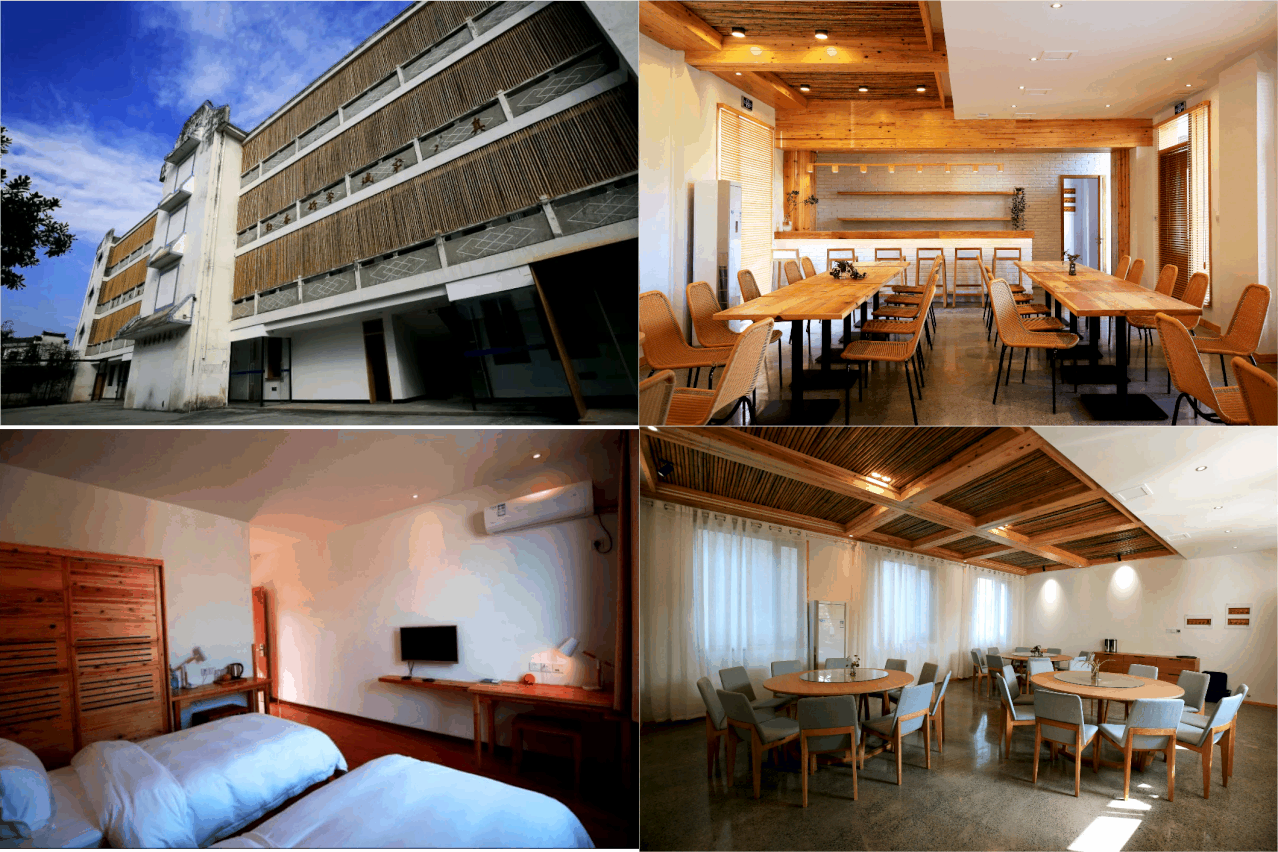
The independent battalion stayed in Wangshan Commune, where standard two person barracks were used for accommodation. Every day, 360 degree cleaning without dead corners and the most stringent epidemic prevention and control measures were implemented to ensure the personal safety of each student.
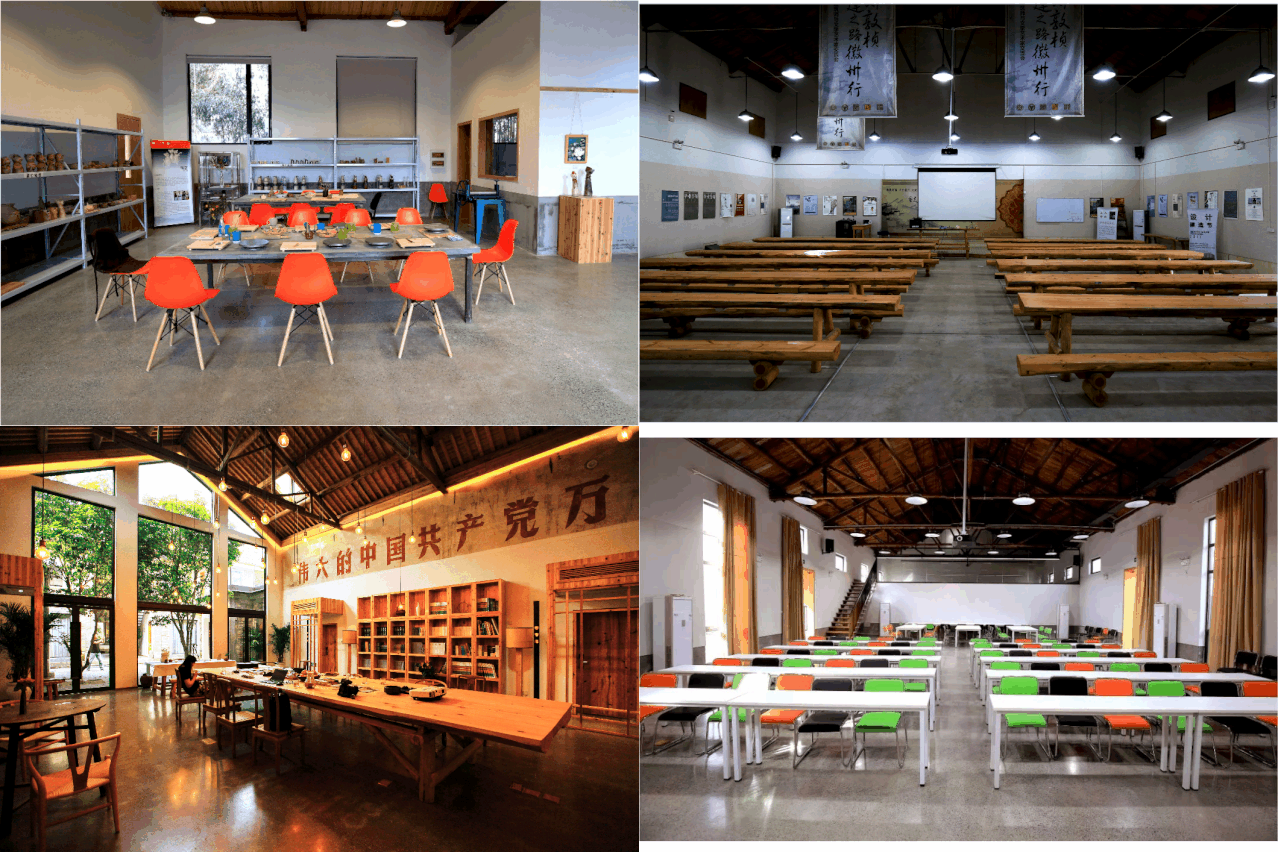
A learning space with a sense of design
In the Xixinan camp, there are ecological laboratories, architectural laboratories, art workshops, exhibition halls, libraries, etc. The whole base can accommodate hundreds of people and carry out various teaching activities. In addition, the constant temperature floor heating and air conditioning system ensures that students can have a comfortable indoor learning environment all the year round.
JOIN US
Registration method
If you are a designer,
You can build your own art installation here;
If you are a pottery lover,
You can witness the integration of digital and traditional ceramic art;
If you focus on artistic creation,
You can collide design ideas and stimulate artistic inspiration;
If you are a young writer of programming,
You can realize the connection between the program and the artwork;
If you set foot in the field of new materials,
You can use technology to provide possibilities for local materials;
If you are a socialite,
You can meet a group of like-minded friends.
Total cost: 8300 yuan/person
Covering: course fees, board and lodging fees, material costs, etc;
The cost does not cover: large transportation (to be borne by oneself)
2021 New Starting Point
And natural light at the new moon
Start a new journey together in Huangshan · Xixinan!
Other recommendations:
Interior space design
British Architecture Ranking
Italian art schools
This article belongs to the original article of Natural Light International Art Education Team. Without permission, it cannot be reproduced commercially in any form. If it is found, it must be investigated for legal responsibility.