The collection of Saint Martin's fashion papers and the history of minimalism. Before Saint Martin studied fashion courses, the author was interested in the relationship between the concept of minimalist fashion and aesthetics and specific types of consumers. She likes to explore the relationship between this style and race, representativeness and modernity. It also influenced some papers submitted by the author during his stay at the Central Saint Martin College.
"Hidden history: depicting minimalist fashion classics" aims to explore the key themes around the development of racist identity and fashion aesthetic style. During the post-war period, fashion designers borrowed the characteristics of the American minimalist art movement and created an aesthetic style that combines modernity and technical strength.
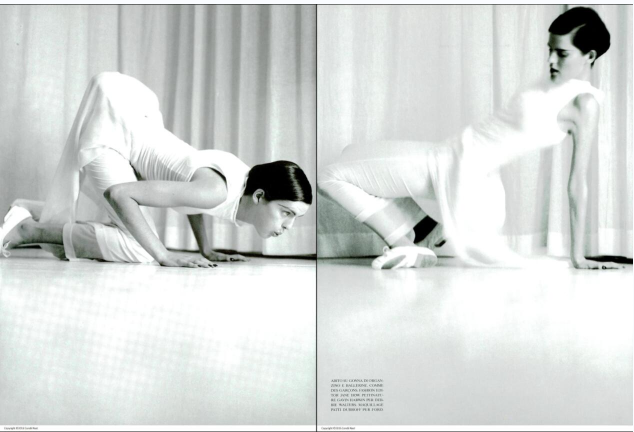
Central Saint Martin Collection of Fashion Papers
On this basis, we investigated the fashion system appropriation of this art movement, and then put forward the minimalist fashion classics in the first chapter, using the text of art critics and the writing of art movement members to support these claims.
The second chapter discusses the ideas about white people in the sense of racism and aesthetics, and how this tells people what is (or is not) considered to be a minimalist fashion, and then reveals the hidden history of non white and non Western participation in Ebony, Jet and other publications.
Finally, in the third chapter, two minimalist designers (and their use of clothing and object analysis) are used for comparative and comparative research to understand how racist categories are used to mediate the success of designers in the Western fashion system.
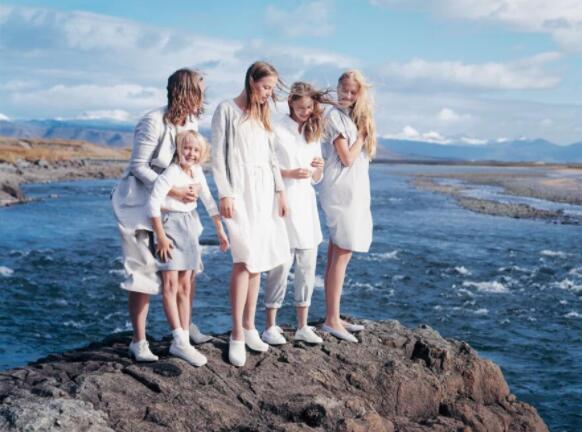
Muji's "nature, of course, Imprintless ”
The superiority and influence of European culture impel the fashion industry to focus on white people, transform from scientific racism to commodity racism, and make white people and the West become models of modernity. In order to study this impact, it is important to observe examples in the European media. Muji's "nature, of course" activity provides an example of modern minimalism, emphasizing the regular use of white in fashion media. In the video, Icelandic women wear white Muji clothes, in contrast to the environment, highlighting the connection between cleanliness and civilization, high class and white. This activity made Muji transcend the limitations of being a Japanese company. Although relying on Western legalization, it also strengthened the concept that minimalism has nothing to do with non white bodies.
It is a sign of some kind of pathological desire, an inexpressible obsession and seemingly harmless business card. When this idea is applied to pictures, modeling, composition and models all imply an obsession - specifically, an "obsession", which conveys the minimalist concept of the fashion industry, because white was the most ideal form of beauty or taste at that time.
Which university is Westminster University equivalent to in China?
This article belongs to the original article of Natural Light International Art Education Team. Without permission, it cannot be reproduced commercially in any form. If it is found, it must be investigated for legal responsibility.