Is it important to choose a country? What's the difference between popular countries studying abroad? How to choose a country according to its own situation? How to get a satisfactory result? Today, let's talk about this "tangle" topic. Based on the years of experience in applying for art study abroad in Natural Light International Art Education, and according to the policies and conditions of different countries in applying for art study abroad, I would like to share with you the application requirements, tuition fees and optional schools in the United States, Britain, France, Australia, Canada, Germany, Japan and other countries.
Based on the application of natural light students from 2017 to 2019, most of our students' application intentions are concentrated in Britain and the United States, but some students may be very interested in the culture of a certain country. After all, the study of art design has a great relationship with the surrounding environment and atmosphere. Some students consider the compatibility between their major and the country, so in addition to Britain, the United States, Australia, Canada, France, Germany and Japan are also frequently asked about in the consultation.
The students who have been paying attention to us should have fully understood the applications of the UK and the US. I often share with you the specific application process, application requirements, application experience, work collection requirements, etc., whether it is DIY or looking for art study institutions.
U.S.A
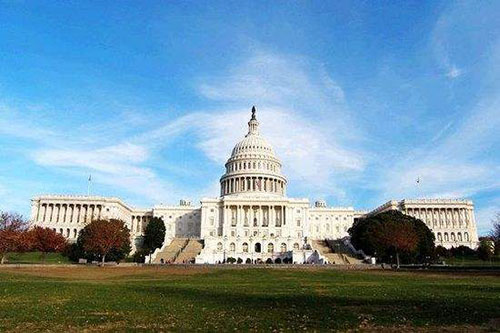
The United States is the first choice for most foreign students, and art study is no exception. Because the United States has developed economy, free art atmosphere, and developed art and design industries, almost all the world's top art schools are concentrated in the United States, such as RISD, Parsons, SVA, MICA, Calarts, Pratt, and FIT. The professional scope covers almost all art design majors, especially animation, film, interaction, photography, fashion, pure art, architecture, etc.
Application requirements:
Achievements:
SAT, GPA, SAT, ACT (translation required), it is better for the school to provide school transcripts and convert them into a four point GPA. The higher the GPA, the higher the probability of successful application.
PS、CV、Essay、resume:
Fully and truly introduce their basic information, let the school know the applicant's academic experience, artistic experience, social experience, etc. through words, and explain the reasons for applying for colleges and majors.
recommendation:
Most colleges and universities will ask for three letters of recommendation, which is not mandatory, but can improve the success rate of application. The letter of recommendation shall describe the basic information of the recommended person, as well as his academic ability, awards, learning achievements, etc. The recommender is usually a tutor with a certain academic title or great influence.
Language score reference:
The average language score is TOEFL: 80 IELTS: 6.5 PTE: 53.
interview:
According to the requirements of different colleges and universities, interviews can be completed through online recording on the official website, or through online interviews and telephone interviews to make colleges and universities more intuitive about the applicants. Some colleges and universities recommend direct visits to participate in interviews.
sample reels:
12~20 pages, slideroom upload
* Application for American art colleges It can't be done with the same collection of works. Many colleges and universities will have their own independent propositions, such as Parsons challenge and RISD assignment. Moreover, each college and major has different emphasis on students' requirements, so it is necessary to sort out works collection projects for colleges and universities.
Fees/scholarships:
tuition: USD 30000-50000 per year
scholarship: Students can apply for scholarships on the official website of the university before the deadline for application. Scholarships are generally awarded based on the quality of the work collection.
Optional institutions:
Parsons School of Design, Rhode Island School of Design, Massachusetts Institute of Technology, Chicago School of Art, Preet School of Art, Art Center School of Design, Stanford University, Carnegie Mellon University, California Institute of Arts, UCLA, New York School of Visual Arts, Columbia University, Savannah School of Art and Design, Maryland Institute of Arts University of Chicago, University of Pennsylvania, University of Southern California.
britain
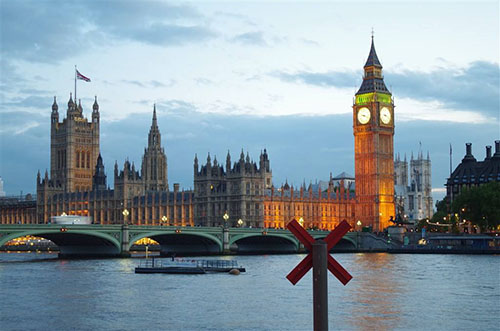
With a strong cultural and historical atmosphere and rich cultural resources, Britain has both the academic temperament of "old scholars" and the attitude of embracing young culture, which is certainly one of the best choices for art students to study abroad. Like the United States, there are many art schools in the United Kingdom, and the optional majors include illustration, sculpture, industry, animation, film, interaction, photography, fashion, pure art, architecture, etc., especially the curatorial, fashion management, and fashion marketing majors are very popular in recent years.
Another advantage of studying in the UK is that the length of schooling is relatively short. Most masters of art and design are one-year (two years for some majors), which can save one to two years compared with studying in other countries. The undergraduate program of art and design is three-year, one year less than that of the United States. However, if students under the age of 18 go to the UK to study for undergraduate courses, they need to read A-level first. If their entrance scores are not enough, they need 1-2 years of preparatory courses. If their graduate and doctoral entrance scores are not enough, they also need to read preparatory courses. According to my previous experience, most students need to read preparatory courses.
Application requirements:
school report:
PS、CV、Essay、resume:
Fully and truly introduce their basic information, let the school know the applicant's academic experience, artistic experience, social experience, etc. through words, and explain the reasons for applying for colleges and majors.
recommendation:
Some colleges and universities in the UK require students to submit letters of recommendation, which are generally 2-3 letters. The contents of the letters of recommendation are the same as those in the United States. It is necessary to describe the basic information of the recommended person, as well as academic ability, awards, learning achievements, etc. The recommender is usually a tutor with a certain academic title or great influence.
interview:
Some colleges and universities need interviews. You can choose online interviews, telephone interviews, or on-site interviews. Some colleges and universities will come to China to meet students, and they may also create propositions on the spot.
Language score reference:
The average requirement for language performance is IELTS: 6.0-7.0.
sample reels:
12~20 pages, generally no less than 4 items.
*When evaluating student portfolios, British art schools attach great importance to the demonstration of the overall research process of the project. If you are a student who is preparing to apply to a British school, it is better to keep the sketches in the early stage of the portfolio project and the conception process intact, and select the parts that can express logical thinking into the portfolio.
Fees/scholarships:
tuition: 10000-30000 per year
scholarship: It is better to apply for scholarships in advance when they are in China. The quality of the work collection, language achievements and work experience are generally the criteria for granting scholarships.
Optional institutions:
Royal College of Art London University of the Arts, Glasgow College of Arts, Goldsmith College, University of London, Loughborough University, University College London, Oxford University, Brighton University, Edinburgh College of Arts, Sheffield University, Manchester Metropolitan University, Leeds University, Newcastle University.
France
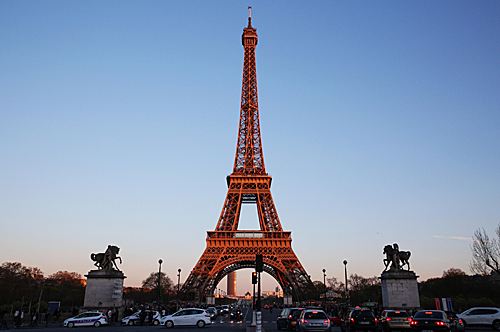
I don't need to say more about the strong artistic atmosphere in France. There are more than 70 art academies alone, and one fifth of Chinese students studying in France are art majors. These art students are mainly engaged in pure arts and clothing.
French universities can be generally divided into elite, public and private ones. Elite colleges represent the highest teaching level in France, with very high enrollment standards. Students only need to pay registration fees every year. For example, National Academy of Fine Arts and National Academy of Decorative Arts are elite colleges with very strict enrollment screening.
Whether applying for public colleges, private colleges or elite colleges, all degrees applied for by art students need to be applied through the unified application platform CAMPUSAR.
Application requirements:
Achievement certificate/document/deposit certificate
Language score reference:
Language is a hard standard for art majors, and DELF or TCF language scores should be submitted at the time of application. You can choose to finish the examination in China or apply to a French language school first.
interview:
After the review of the portfolio and other materials, some colleges and universities will need an interview to learn more about the students and the portfolio project.
sample reels:
5-15 projects
*The collection of works requires students to show the continuity of creation, painting techniques and modeling expression ability. The form of works should not be too single, but should be diverse. Unlike the art schools in Britain and the United States, the French schools do not require students to participate in the whole production process. Video, sketch, text and other forms can be counted as a project.
Fees/scholarships:
tuition: Private: 10000-15000 euros per year
scholarship: After enrollment, French colleges and universities will set up generous scholarships for studying abroad. Excellent personal performance, good projects, and good tutors and studios can best improve the probability of success in applying for scholarships.
Optional institutions:
Paris National Academy of Fine Arts, Lyon National Academy of Fine Arts, Bordeaux Academy of Fine Arts, Esmod Paris Institute of Fashion Mod'art Paris International Academy of Fashion Arts, Brest Academy of Fine Arts, Dunkirk Academy of Fine Arts, Versailles Academy of Fine Arts, Paris.
Australia
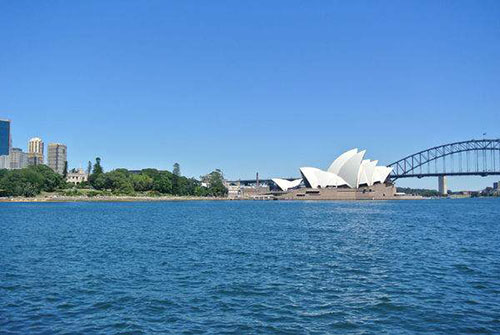
Many countries in Australia are immigrant countries, so the culture is diverse, the style of art design is very modern, and Australian art schools attach great importance to students' practical ability, so the curriculum will be more geared to employment needs, and the employment rate of students will be very high whether they stay in Australia or return home after graduation.
Application requirements:
Achievements:
China General College Entrance Examination Score and Undergraduate Transcript
Works, award certificates and other supporting materials
PS、CV、Essay、resume
recommendation:
It can be written by university teachers, and needs to be translated into English.
Language score reference:
IELTS:6+
sample reels:
10~30 pages
*The requirements of other countries are relatively low. Complete works and unfinished works can be included. Each project needs to be described, and the cooperation project needs to specify the responsible part. As far as possible, the collection contains various forms of art, design or multimedia works.
Fees/scholarships:
tuition: A $28000-35000 per year
scholarship: There are many kinds of scholarships in Australia. Take Monash University as an example. If the student's performance, language and collection of works are outstanding, they can get an admission scholarship of 5000 Australian dollars per year, as well as an international scholarship with three-year full tuition plus accommodation fee reduction.
Optional institutions:
Royal Melbourne University of Technology, University of New South Wales, Monash University, University of Melbourne, Sydney University of Science and Technology, University of Sydney.

Canada
Like most countries in Australia, Canada is a country that is easy to immigrate. Because of its diverse culture, vast territory, and close ties between culture and art and the United States, Canada has attracted many art majors. Although there are not so many choices for art colleges compared with other countries, major cities like Toronto and Vancouver have geographical advantages, so they are very suitable for students majoring in pure art and film and television.
Application requirements:
Transcript/recommendation letter
PS、CV、Essay、resume
Language score reference:
TOEFL: 80-90 IELTS: 5.5-6.0
sample reels:
15-20 pages
*The collection of works needs to include observational paintings, design works, and other art media, such as jewelry design, photography, ceramics, handicrafts, and other works that can reflect students' interests. And in these works reflect the students' basic skills, manual practical ability, imagination, etc.
cost:
tuition: $12000-18000 per year
Optional institutions:
Emily Carr University of Art and Design, Alberta College of Art and Design, Ontario College of Art and Design, Nova Scotia College of Art and Design.
Germany
German people always give the impression of preciseness, seriousness and carefulness. These characteristics are also reflected in their industrial design products. German art study abroad has also won many praises for its high cost performance and tuition free.
The application of German colleges and universities needs to pass the APS review. You can choose English or German. Everyone has three opportunities to participate. There is a small written examination and a 30 minute interview during the review, in which you introduce your motivation to study abroad and answer professional questions.
Application requirements:
Application Form/Resume/Certificate of Education
APS audit certificate
Language score reference:
You need to submit the score certificate of Defu
Some majors need to be interviewed
sample reels:
25~30 recent works
*For works that are inclined to reflect culture, art and public welfare, it is better not to include too commercial works and cooperation projects.
cost:
tuition: The registration fee of public universities is only 150-300 Euros per semester.
Optional institutions:
Berlin University of the Arts, Berlin Academy of Fine Arts, Dresden Academy of Fine Arts, Hamburg Academy of Fine Arts, Kassel Academy of Fine Arts.

Japan
In recent years, Japan has received a lot of attention in the fields of animation, architecture, plane and other fields because of its unique style, especially the animation design in Japan. Most of the professional directions of Chinese students who choose to study in Japan are animation. In addition, close distance, similar culture, national quality, work attitude, diverse creativity and high inclusiveness have all become the reasons why Japan has become a popular country to study abroad.
In particular, the application of monks (postgraduates) to study abroad in Japan cannot be applied directly in China, and students need to go to study for half a year or one year first, similar to the preparatory course in Britain. In the year of graduate student, choose the professor you want to contact, and then contact the professor to submit the portfolio and research proposal. The professor decides whether to enroll the graduate student or not. In the application of Japan, selecting professors, interfacing with professors and collecting works are equally important.
Application requirements:
Achievements:
China's national unified college entrance examination and school entrance examination
Entrance examination:
Take the entrance examination with your portfolio, research proposal, etc. with your Examination ID, and you need to take it in Japan.
interview:
I am required to attend in Japan.
Language score reference:
Japanese Level 2 or above, or Jtest Level D or above
sample reels:
15-20 pages
*There is no special requirement for the collection of works, which is similar to the requirements of British and American countries. The collection of works should include works showing comprehensive abilities, descriptions of works, and combination of pictures and texts.
Fees/scholarships:
tuition: 500000-600000 yen per year
Optional institutions:
Tokyo University of Arts, Tama University of Fine Arts, Musashino University of Fine Arts, Women's University of Fine Arts, Tokyo University of Plastic Arts, Kyoto Municipal University of Arts, Chiba University School of Engineering, Kyoto University of Craft Fiber, Osaka University of Arts.
The above is the general situation of art study abroad countries. Recently, many students have asked how to choose a country to study abroad. Everyone has different considerations. Some students are attracted by the culture of a certain country, for example, some like Japanese anime, some like the weather in Australia, and some simply like the German football team. However, in the later application, you will find that there are many obstacles. For example, Japan has to go to the face-to-face examination and interview, and needs to study preparatory courses; Germany needs to learn small languages with great difficulty in the early stage. In addition to personal preferences, there are also some students who have different admission probabilities every year. To be safe, they apply to several universities in other countries.
Is it important to choose a country to study art? How to choose a country according to its own situation? In a word, the choice of the country has a great impact on students. Whether it is the preparation of materials and work collections in the early stage, the feelings of learning and life in the middle stage, and whether to stay abroad and find jobs after graduation, it is a problem that needs to be considered in the long run.
Natural light shares more topics for you:
What problems should art students avoid when applying for study abroad in the United States and Britain
How do art students choose a country: Britain? U.S.A? France? Natural light professional answers for overseas study institutions
This article belongs to the original article of Natural Light International Art Education Team. Without permission, it cannot be reproduced commercially in any form. If it is found, it must be investigated for legal responsibility.